How queer desires and solidarities persist under systems of control
Amid growing threats to queer and trans rights across the Global North, Black Carnation: Case Study No. 2 by Konstantin Zhukov (born Riga, works Riga and London) turns to 1990s Latvia to imagine how queer desires and solidarities persist under systems of control.
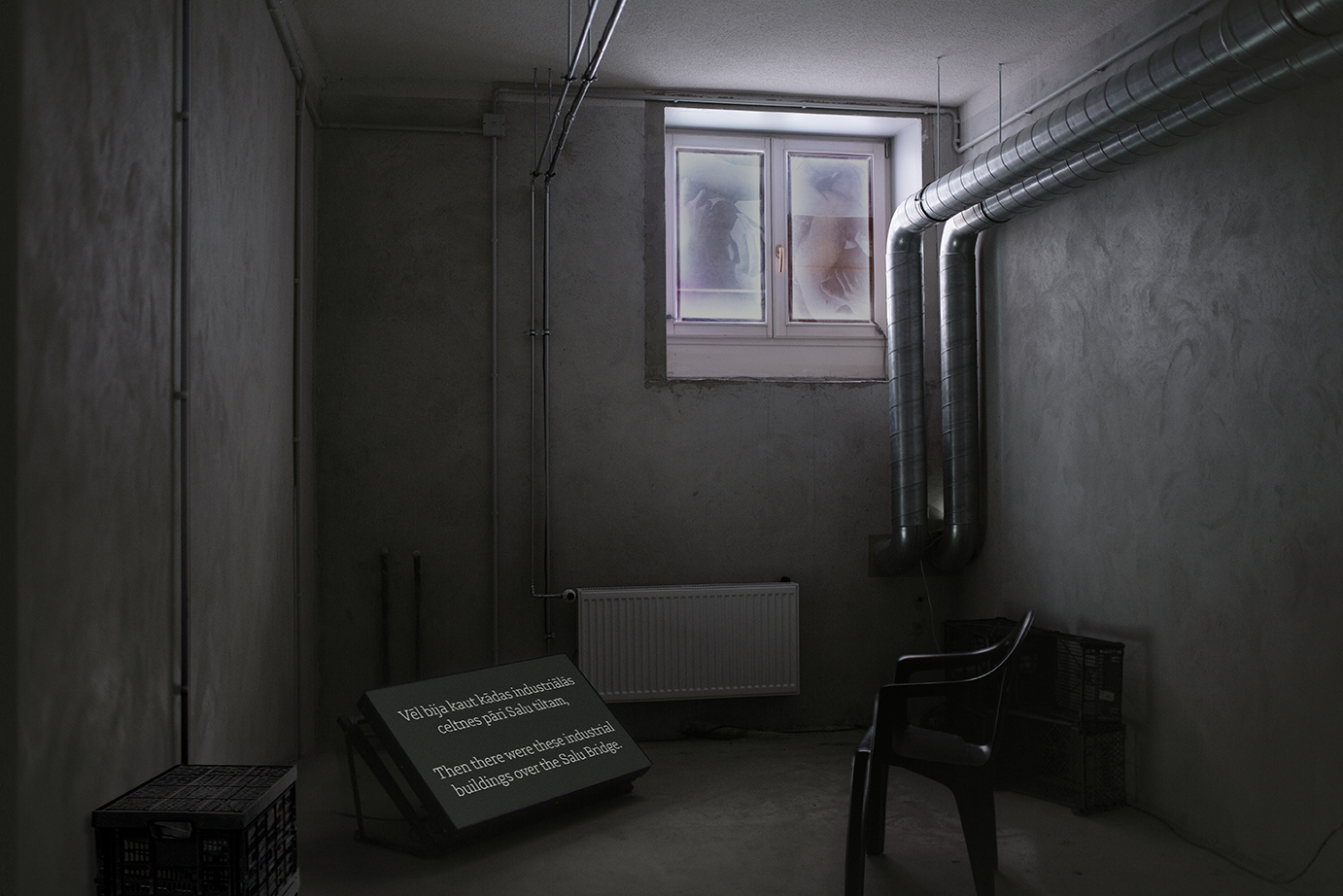
Shown for the first time in London, the video installation transforms outhouse gallery, a former public toilet, into a space for reanimating the earliest gay parties held in Riga after the collapse of the Soviet Union, and unfolding against the resulting political and economic upheaval.
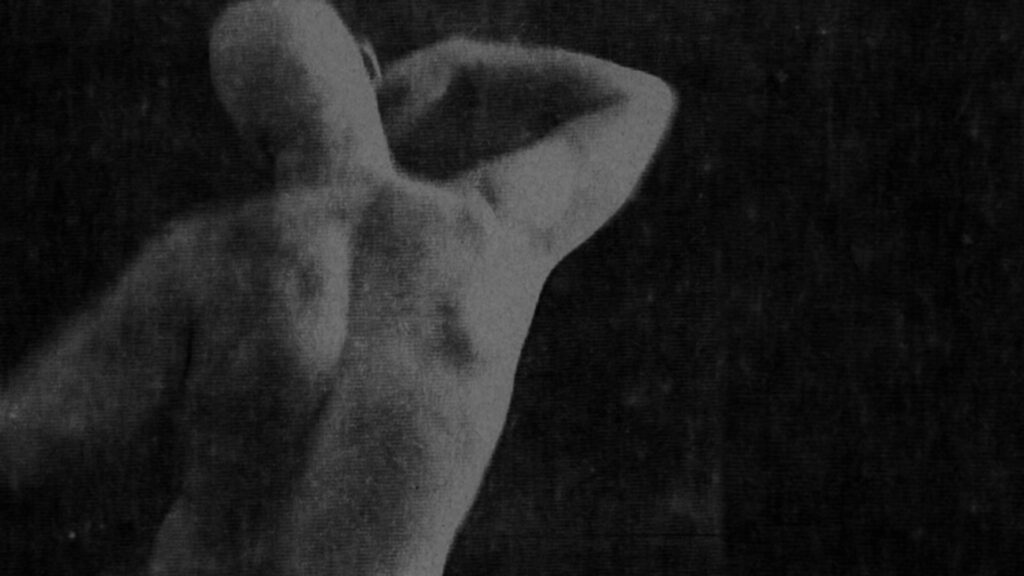
Drawing on conversations with the attendees of these parties, Zhukov explores how queer communities carved out spaces of freedom in post-Soviet Riga, including those held at the Museum of Medicine. Surrounded by medical instruments once used to classify and pathologise queer bodies, partygoers transformed the museum into a site where they could experiment with touch and desire.
The installation’s sticky floors, newspaper-covered windows, and pulsing soundtrack conjure the atmosphere of those makeshift dance floors while tracing how intimacy endures under constraint – from post-Soviet conservatism to the rising tides of nationalism today.
Outhouse gallery was chosen for this iteration of the work because it, too, carries layered histories of intimacy. As a former public toilet, it was once a site of privacy and hygiene, repurposed by gay men for secrecy and connection, and now reopened as a space for contemporary art.
These overlapping histories and contradictory spatial logics make it a generative setting for Zhukov’s work: by situating Black Carnation: Case Study No. 2 within this repurposed public toilet in Camberwell, Zhukov collapses the distance between Riga and London, between past and present.
Outhouse gallery, Brunswick Park, London SE5 7RH until 15th December.
Thu-Sun 12:00-18:00. Free Admission.