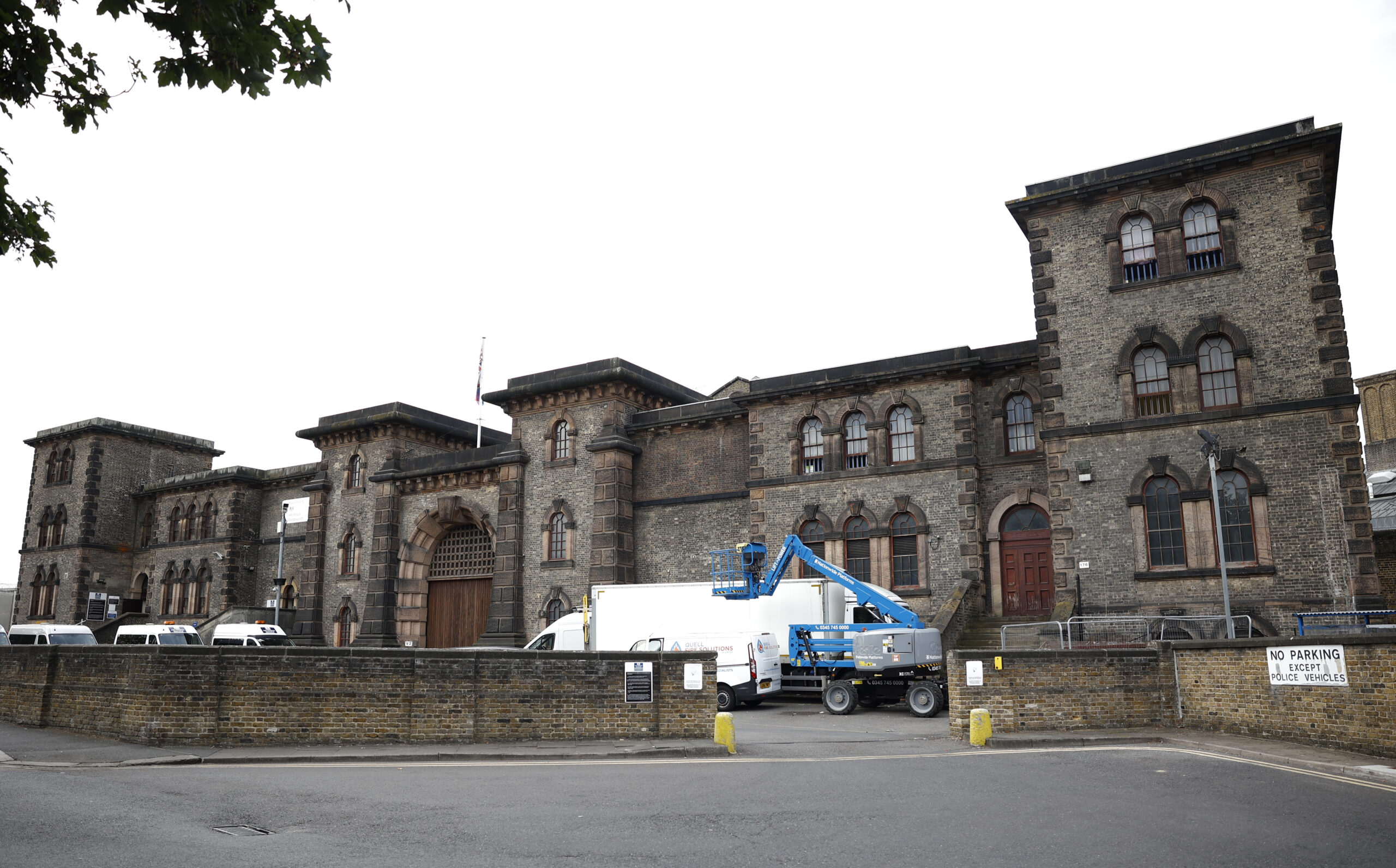
A watchdog has expressed shock over failures at HMP Wandsworth to keep a suicidal prisoner safe. Sebastião Lucas, 34, took his own life just two days into his time at the South London prison on May 12, 2021, where he had been taken after allegedly assaulting a hospital nurse while being sectioned.
A new Prisons and Probation Ombudsman report found staff failed to assess Mr Lucas’ risk adequately or keep him safe. It said a better risk assessment and greater sense of urgency could have saved his life.
An inquest in September last year ruled Mr Lucas died as a result of suicide contributed to by neglect.
Mr Lucas was remanded in custody to HMP Wandsworth on May 10, 2021, after allegedly assaulting a hospital nurse while being sectioned due to his suicidal thoughts. He arrived with documents which noted he had said he would take his own life and had been subject to constant supervision at court.
Despite this, the officer at reception did not begin suicide and self-harm protocols, known as ACCT, for him.
The ombudsman said it was shocked the officer was not aware of its repeated warnings that staff too often assess a prisoner’s risk based on how they appear and what they say, and do not give enough weight to their risk factors. It said the officer should have considered the information available to her and opened an ACCT for Mr Lucas.
The watchdog said it was also shocked that a nurse who then assessed Mr Lucas did not look at the documents he arrived with to inform her assessment of his risk. He told her he was going to take his own life.
The nurse took more than an hour to open an ACCT for him after this assessment, which meant that when an officer found suspected drugs inside him he could not consider whether their confiscation might increase his suicide risk.
A manager then took six hours to speak to Mr Lucas and complete an action plan after the ACCT had been opened, despite policy stating this must be done within an hour.
When officers found Mr Lucas unresponsive in his cell on May 12, control room staff incorrectly told the 999 operator that he was breathing. The ombudsman said that while this did not affect the outcome for Mr Lucas, it could make a critical difference in other emergencies. He was pronounced dead by paramedics, just over two days after arriving at the prison.
The watchdog ruled that nobody in the prison made a sufficiently informed or accurate assessment of Mr Lucas’ level of risk. It said more consideration should have been given to his risk factors and he should have been observed more frequently than hourly.
The ombudsman said Mr Lucas’ action plan did not adequately reflect his needs or plans to reduce his distress, with it only recommending that he needed a television.
Staff also failed to complete ACCT observations between 11.42am and 2.25pm on May 12, when Mr Lucas was discovered unresponsive, as officers did not take responsibility for completing them after handover.
The report said it was “very concerning that the prison failed to assess his risk adequately or keep him safe”.
It said: “Key information was not sufficiently communicated or considered. In addition, the clinical reviewer concluded that Mr Lucas’ mental healthcare in relation to his risk of suicide was not adequate or equivalent to that he could have expected to receive in the community.
“Mr Lucas had been treated as a high risk to himself in hospital, police custody and court custody and was being dealt with urgently. I am dismayed that once he arrived at Wandsworth the need for the same level of urgency and for acute care was not recognised. We cannot say whether better risk assessment and a greater sense of urgency would have saved his life, but it may have done.”
Mr Lucas’ death was the fourth of seven suicides at HMP Wandsworth in just over six months. The three suicides which followed his are still being investigated by the ombudsman.

A Prison Service spokesperson said: “Our sympathies remain with the family of Sebastião Lucas. The prison has strengthened how they assess and manage suicide risk, introducing closer working between teams to better support new prisoners, and ensuring staff receive a daily list of those at risk so they can provide extra help.”
Oxleas NHS Foundation Trust, which provides healthcare services at the prison, has been contacted for comment.
When life is difficult, Samaritans are here – day or night, 365 days a year. You can call them for free on 116 123, email them at **@********ns.org, or visit samaritans.org to find your nearest branch.