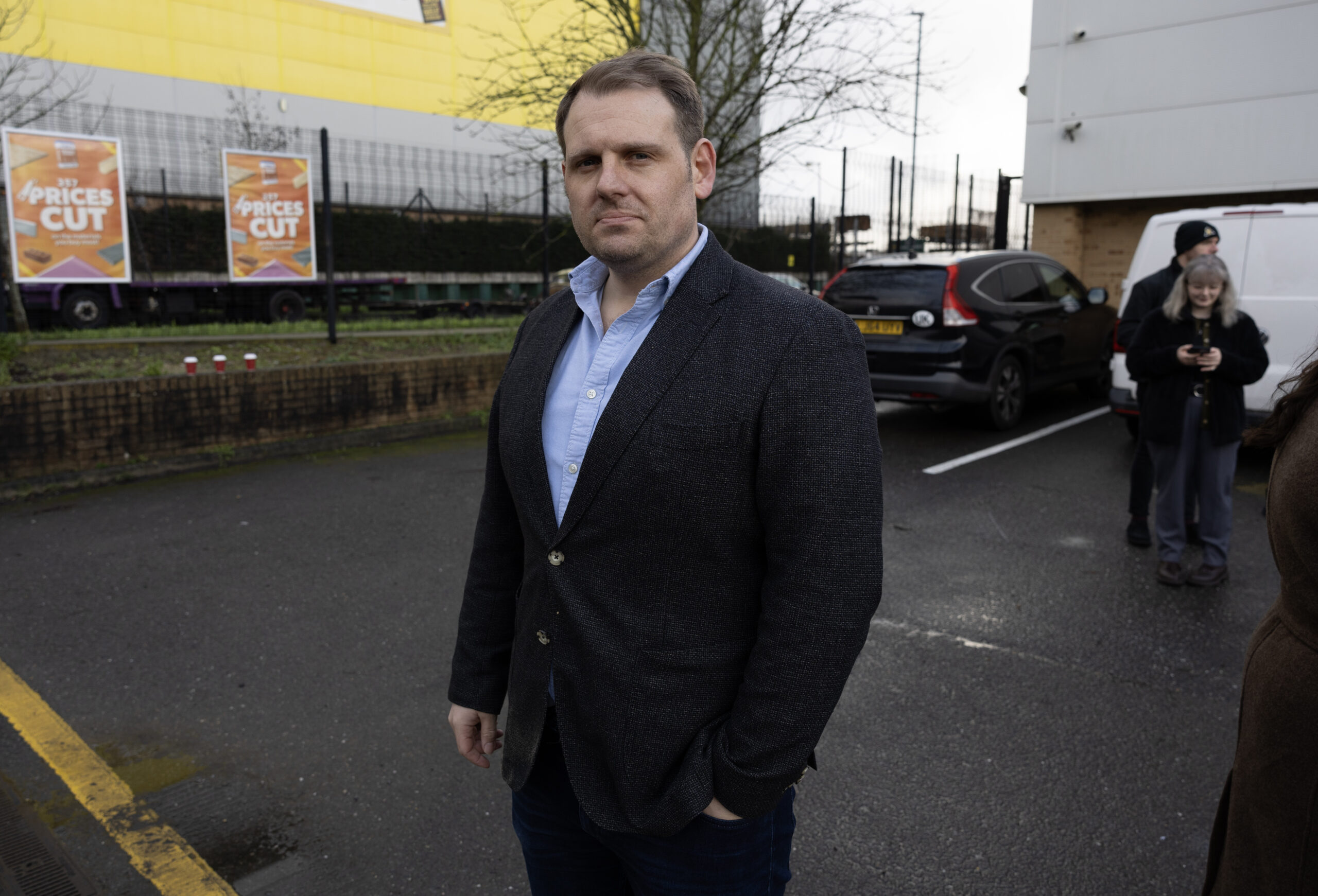
A South London MP has named two key routes he wants to see benefit from Bakerloop-style bus services to better connect residents in the far south of the capital to the Tube network.
Sutton has some of the lowest levels of TfL transport provision in London and relies heavily on bus routes that many residents describe as slow and infrequent. His comments come amid growing concern over the future of several bus routes across Sutton and neighbouring boroughs, after operator Go-Ahead announced plans to re-tender services due to rising costs.
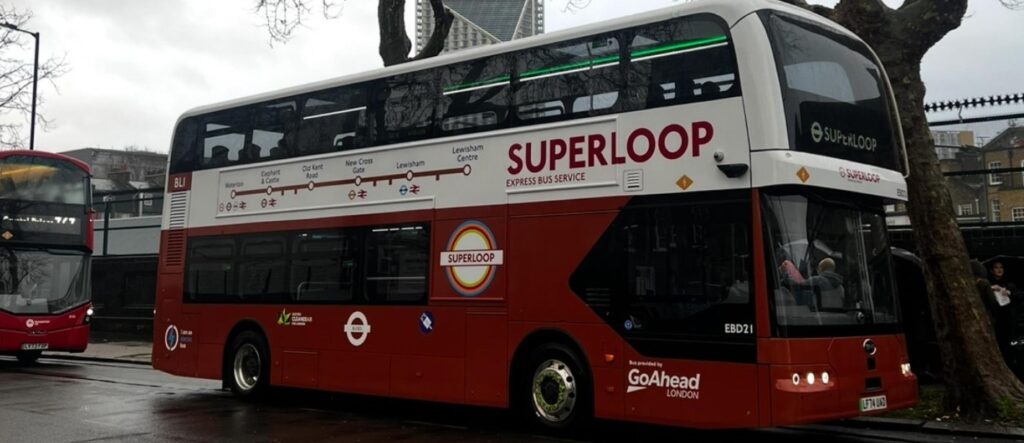
Luke Taylor, the Liberal Democrat MP for Sutton and Cheam, believes “radial” Bakerloop-style services would benefit the borough. The Bakerloop express route, introduced in September last year, links Waterloo and Lewisham stations seven days a week, providing residents in South East London with a stopgap connection while they await the long-anticipated Bakerloo line extension.
Speaking to the Local Democracy Reporting Service (LDRS) last week, Mr Taylor said: “What I am really interested in is the Bakerloop. While the Superloop is the arterial route, what we want to see is the radial routes.”
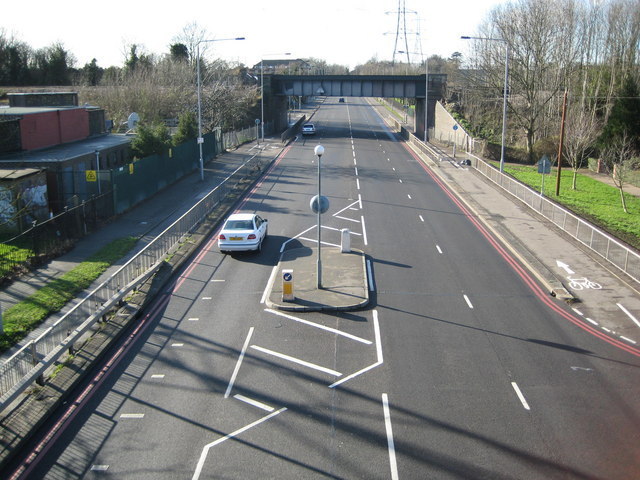
He identified the A217 between North Cheam and Morden, and Rose Hill between Sutton and St Helier, as routes that would benefit from express bus services. He told the LDRS: “These are really good examples of where having a Bakerloop-style express route would be a quick and inexpensive solution to provide the capacity needed to link us to the Underground network.”
The SL7 Superloop route, which runs between Croydon and Heathrow via Carshalton, Sutton and Cheam, is currently the only express bus service in the borough. While there is strong demand for faster routes, recent efforts have focused on retaining smaller local services that residents rely on.
Go-Ahead routes
Last month, South London residents were alarmed by reports in The Times suggesting several routes were set to be “withdrawn” by Go-Ahead. The routes named were the 80, 93, 151, 154, 155, 163, 164 and 470 from Sutton, Merton, Ellis Road and Stockwell garages.
TfL and Go-Ahead later insisted the routes were not at risk of withdrawal and were instead being re-tendered due to rising operational costs. A Go-Ahead spokesperson told the LDRS at the time: “Unfortunately, external rising costs have made a handful of routes commercially unviable under the current terms.”
While TfL sets routes, fares and service standards, operators such as Go-Ahead provide vehicles and staff. Go-Ahead has said it “fully intends” to re-bid for the routes but would need to do so under a new contract with increased funding.
Mr Taylor recently met Andy Edwards, Managing Director of Go-Ahead London. The MP told the LDRS: “The reality is that it is a normal process. When operators see their costs increase, they have a clause in the contract that allows them to re-tender before the full term. That is very normal.”
However, Mr Taylor said he remained concerned about TfL’s ability to fund the re-tendered routes. He told the LDRS: “Re-tendering means going back to TfL and saying it will cost around 20 per cent more to run the same service and frequency again.
Credit: Southwark Council website
“The challenge is whether TfL can put up that extra cash. If they don’t, we could see cuts to frequencies and routes in Sutton.
“What is really frustrating is people suggesting there is nothing to worry about. TfL is struggling financially, we have seen bus cuts elsewhere, and the real risk is further reductions to services that are already not good enough.”
The LDRS recently highlighted frequency cuts made by operator Metrobus on the S4 route between Waddon and Sutton, a key connection to the London Cancer Hub.
In a council meeting last week, Sutton’s Environment and Sustainable Transport Committee Chair, Christopher Woolmer, said the decision to re-tender was due to the national insurance “hike” introduced by the Labour government.
However, unlike fellow Liberal Democrat Mr Taylor, he told the meeting: “There is no threat to these buses being cut.”
The claim prompted a brief response from Conservative councillor and London Assembly Member Neil Garratt, who said: “We will see.”
Trams and Overground extension?
Mr Taylor was clear that he saw buses as the primary solution for Sutton to plug gaps in its transport network. However, there has also been a long-running effort to secure a Tramlink extension into Sutton from Croydon.
Sutton currently has a single tram station in Beddington, in the far north of the borough. Back in 2014, Sutton and Merton councils called for a Tramlink extension from the existing Morden Road tram stop, via Morden Hall Road and St Helier Avenue, up to Rose Hill and onward to Sutton town centre.
Despite the council’s assurance of ‘regular conversations’ with TfL, Mr Taylor believes that, even after more than ten years, an extension remains unlikely. “There is no business case for it,” he told the LDRS.
He added: “I would like to see a tram, but it was said it would cost £500m five years ago, which will inevitably be billions of pounds now. It is just not going to happen, so we have to look at what we can get in next year.”
The LDRS also asked about the possibility of an Overground extension to Sutton station from its current terminus at West Croydon. Again, he was doubtful, saying Sutton should prioritise fast commuter routes.
He told the LDRS: “Overground is a metro service, which is more frequent and uses shorter trains. I think we need to be a little careful about losing that connectivity and replacing it with more frequent but slower services elsewhere. I am a little nervous about that.”
A TfL spokesperson said: “As is always the case when a bus operator opts to end their contract early, we will carry out an open tender to ensure that the routes can continue to serve our customers.
“We know buses are an important lifeline for millions of Londoners. Reliable bus services with attractive journey times are essential to a successful transport network and we are working hard to ensure our bus network offers both to our millions of daily users. This includes our work to transform the way we manage London’s road network, developing new software to enable us to respond to incidents on the roads much more quickly, alongside a London-wide programme of traffic signal timing reviews to make sure each signal is working as safely and efficiently as possible.
“We’re regularly introducing new bus routes, including the SL11 this week, and the evidence is clear that passenger numbers are up, higher than expected on these new routes. We’re also working closely with boroughs and utility companies to reduce unnecessary disruption caused by roadworks and we continue to make significant improvements to the bus network – including greening the fleet, launching new Superloop services, boosting services in outer London and investing in more bus priority and even better real-time information for customers.
“We constantly monitor our network to ensure we keep London moving safely and effectively, and we work closely with bus operators to provide one of the best bus networks anywhere in the world.”