“We show up because youth safety is a daily reality, not a viral moment.”
That was the message from Croydon Community Action as the borough defied weeks of online panic and saw off what had been billed as a day of “Croydon Wars” youth violence on Friday (February 27). A viral AI-generated poster had urged students from schools across the borough to take part in so-called ‘Red vs Blue’ battles, pitting Croydon’s young people against one another.
Parents feared the worst, and the story drew national media attention, but the anticipated chaos never materialised.
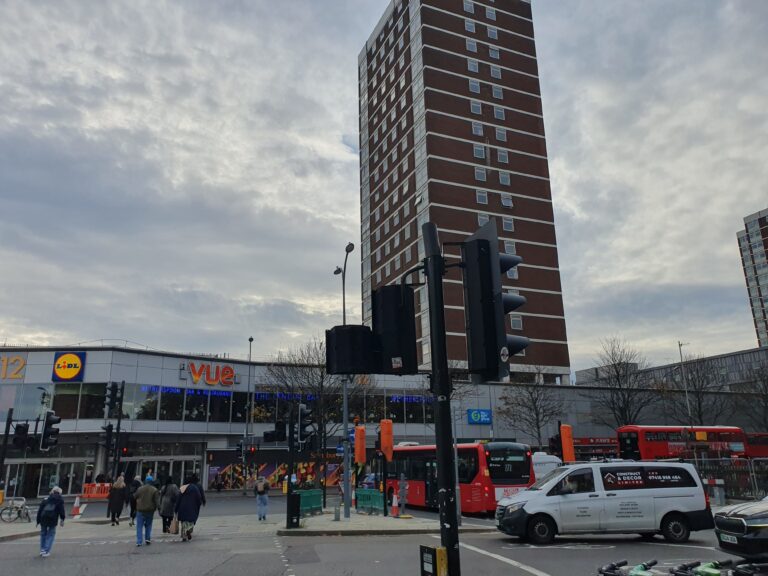
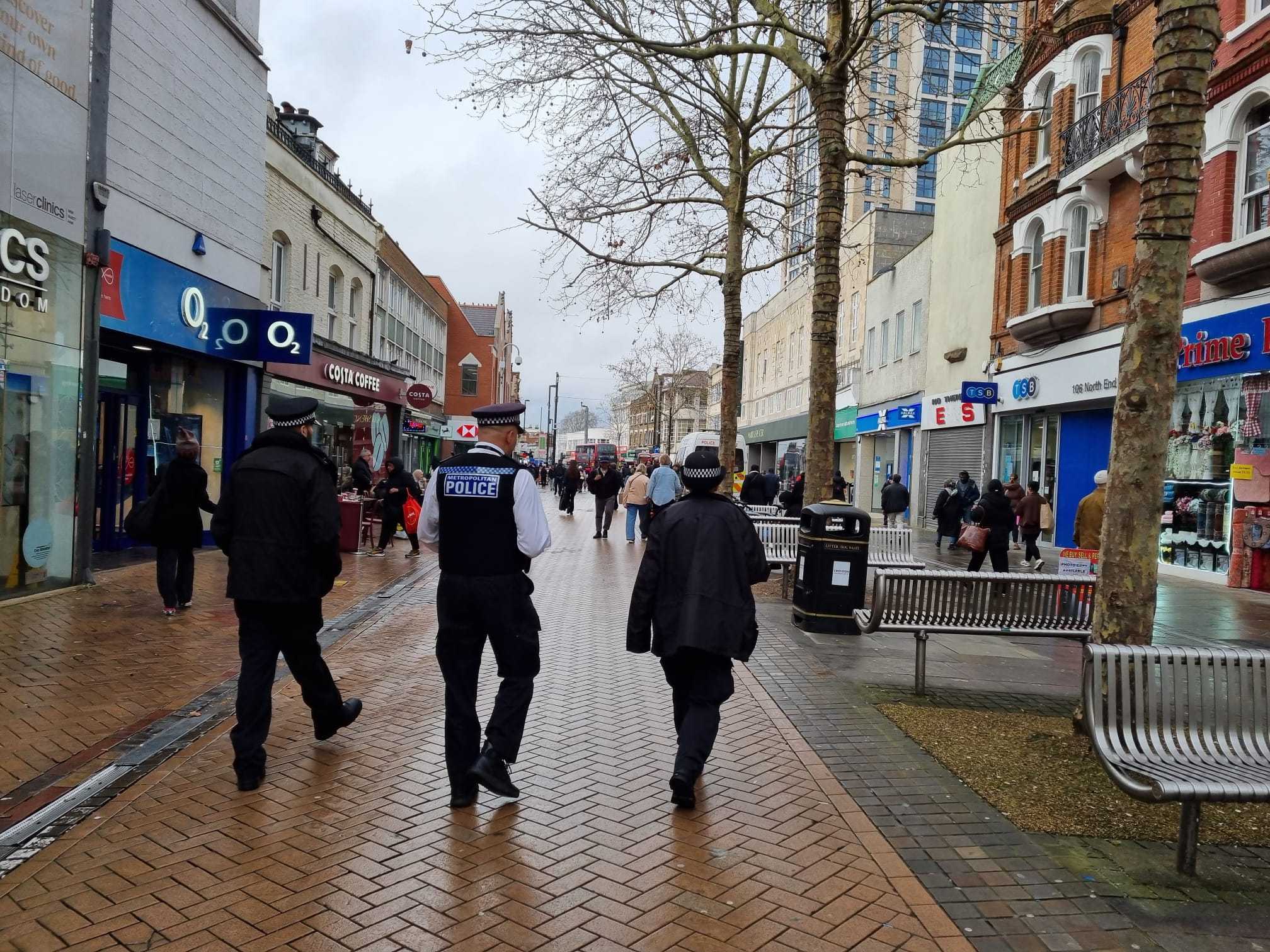
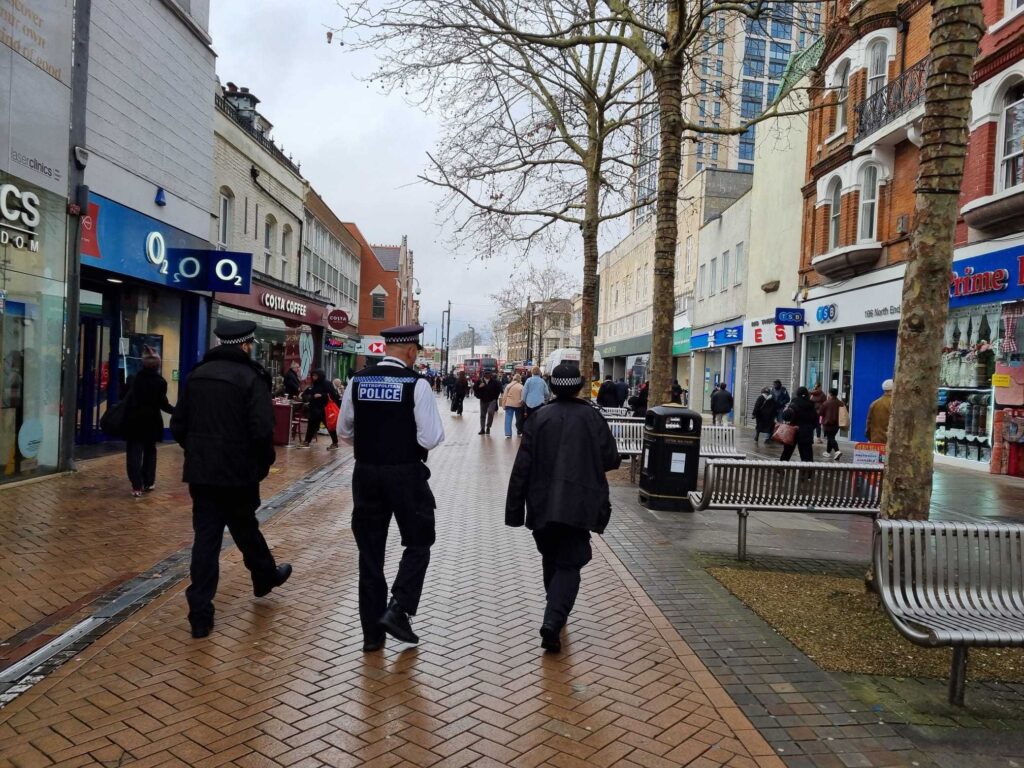
A large police presence was brought into Croydon in anticipation of potential clashes, with officers stationed at key transport hubs and in the town centre. The Local Democracy Reporting Service (LDRS) was in Croydon throughout the afternoon as pupils poured out of the town centre’s numerous school gates at peak time.
Aside from a small number of stop-and-searches observed around East and West Croydon stations, the atmosphere remained calm. Officers and security staff maintained a visible presence as students gathered at bus stops and shopping areas, but there were no reports of the feared fights taking place.
Community organisations also mobilised, patrolling key routes alongside officers in an outreach role. Groups including Croydon Community Action, New Era Croydon, P4YE, ANOS, Play Place, FazAmnesty, the London Road Business Association, Majestic Community Care Services and faith groups were visibly present throughout the afternoon.
Youth clubs including Legacy Youth Zone, Reaching Higher and the Croydon Voluntary Action Centre on London Road were also open to the public, while security was increased at the Whitgift and Centrale shopping centres. This combined response followed weeks of meetings between the groups, headteachers, council officials and the Met Police.
“It has been a great example of partnership working, and I’m so proud of Croydon today,” said Labour mayoral candidate Rowenna Davis, who stood with parents and students at the busy West Croydon bus garage. “This is exactly the kind of support young people need when something like this happens.”
Credit: Harrison Galliven
Nearby, a PCSO told the LDRS how their presence at the bus stop was consistent, despite the recent fears. “This is nothing new,” she said. “We do the same thing here day in, day out.
“I think young people see this bus stop as a safe place nowadays. We are always here, and they know that, so the trouble doesn’t really come.”
For many parents, the fear had been real. Sharon, a mother, told the LDRS: “I heard about it online, I was pretty worried because I’ve got two kids, but then again you don’t really know what’s real online any more.”
Some parents said they were too frightened to send their children to school, while others chose to accompany their children on the walk to and from the school gates. Ben, a secondary school student, said: “It’s been going round for weeks, they spoke to us about it in school but no one really knows where it’s coming from, to be honest.”
The “Red vs Blue” trend was not confined to Croydon. Several London boroughs were also affected, while in Greenwich, police implemented a Section 35 dispersal order to prevent planned school fights connected to the same online phenomenon.
It remains unclear who started the online trend. However, it is also not the first AI trend to focus on the borough, which has recently been the subject of so-called “AI slop” videos falsely appearing to show people wearing balaclavas in schools and at a so-called Croydon water park – a dirty pool set among high-rise tower blocks.
In an Instagram post reflecting on the day, Croydon Community Action said: “Yesterday (February 27) was a powerful reminder of how quickly fear spreads and how slowly real support often follows.
“A viral AI post about a so-called ‘red and blue war’ in Croydon triggered huge concern, media attention, emergency meetings and a visible presence from MPs, councillors and officials. Suddenly, everyone was watching.
“But here is the uncomfortable truth. The grassroots organisations working with young people every single day were already aware and ready, and outside just as we always are.
“It was really inspiring to see unity, but frustrating that it took a rumour to bring so many people out. Youth violence and knife crime do not happen once. They do not go viral once; they are constant.
“What struck me most was this: many young people showed more maturity than adults. They did not fuel the panic. They did not spread the images. They recognised it for what it was.
“Yet fear still spread, and it had real consequences. Children were made anxious. Families were worried. All because of something unverified that spiralled online.”