The play handles its themes of slavery, identity, and privilege without losing momentum
Winsome Pinnock made her name with the 2018 play ‘Leave Taking’. Her new play at the Dorfman Theatre melds the intrigue of a podcast detective story with classic haunted house tropes to create a fast-paced exploration of a complex and pertinent subject – the transatlantic slave trade. We are accelerated through each scene to the next with new questions being introduced, plunging the audience and characters into a world dense with secrets waiting to be uncovered. There is a distinct pleasure in following the breadcrumbs the plot lays out – suits of armour, lost letters, and clues half-concealed within paintings, each detail drawing us deeper into the unravelling mystery, writes Leo Dunlop.
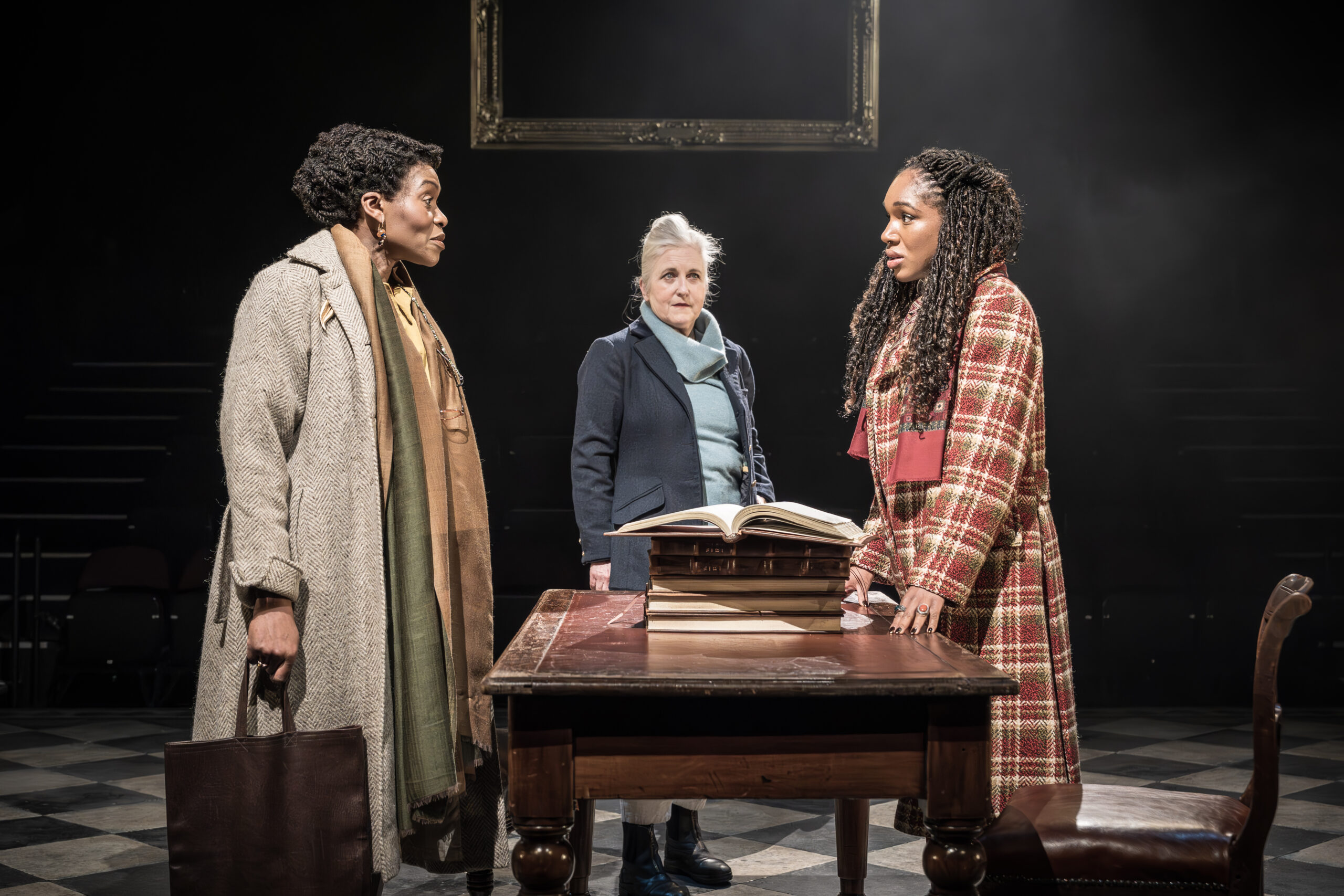
The story begins with two Black historians, the archivist Abi (Rakie Ayola) and novice Marva (Cherrelle Skeete). When they are invited by Fenella Harford (Sylvestra le Touzel) to examine a cache of newly uncovered records at her stately home, it quickly becomes clear that the documents hold far more than routine accounts. They belong to Fen’s ancestor, Henry Harford. Seemingly lists and lists of daily duties and accounts, these are records of his ‘livestock’, that horrifyingly include the enslaved people that he ‘owned’. As our characters investigate further, lost pages are found, histories are illuminated, and difficult conversations are levelled to the characters and the audience.
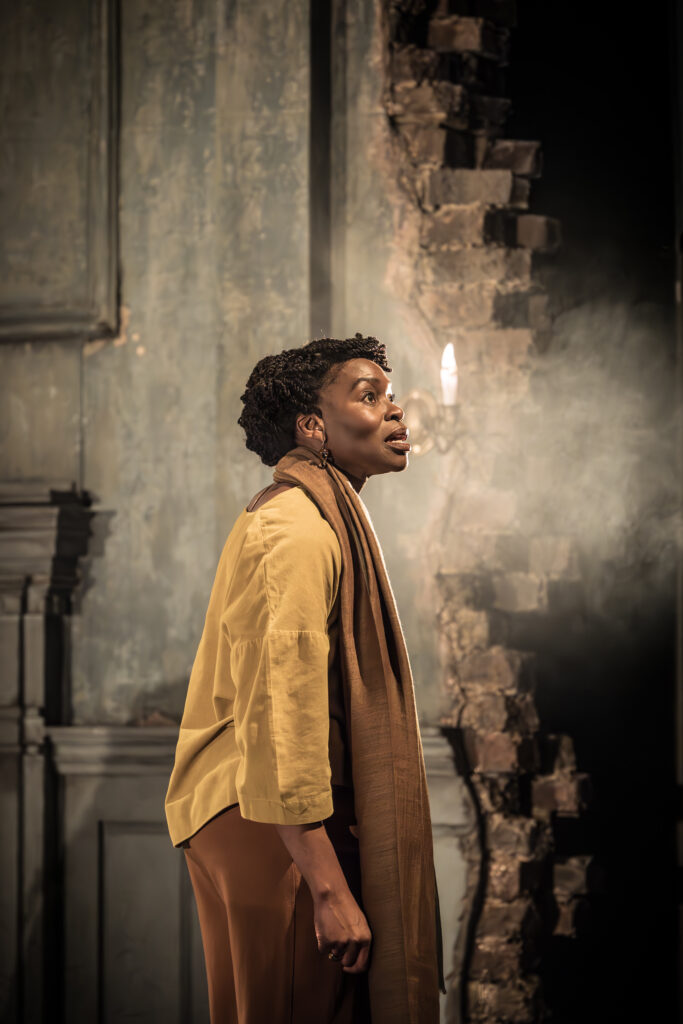
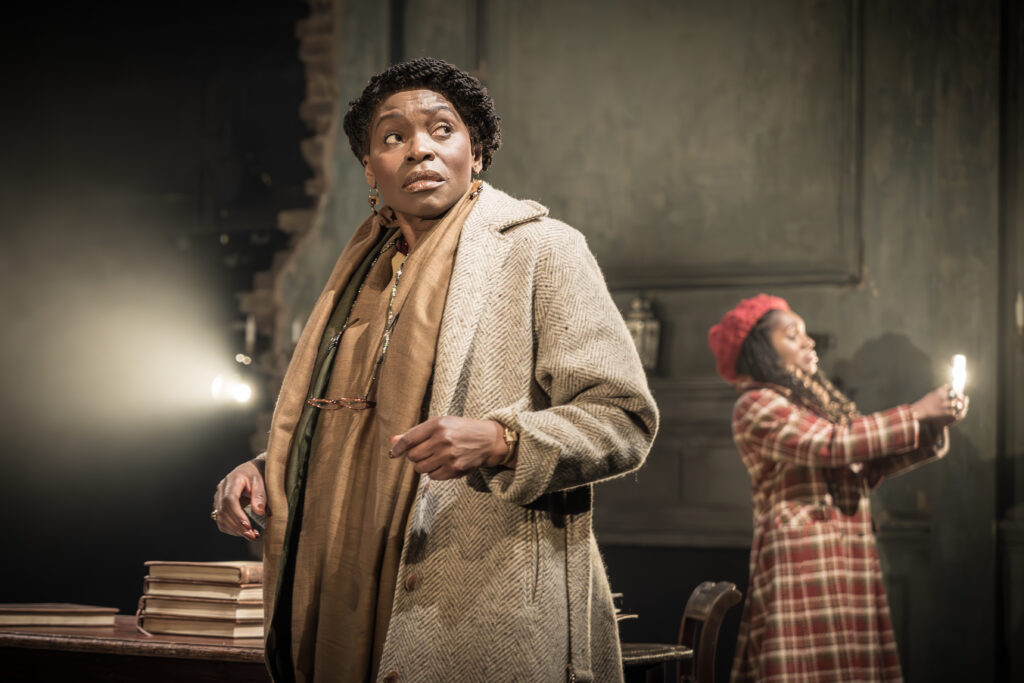
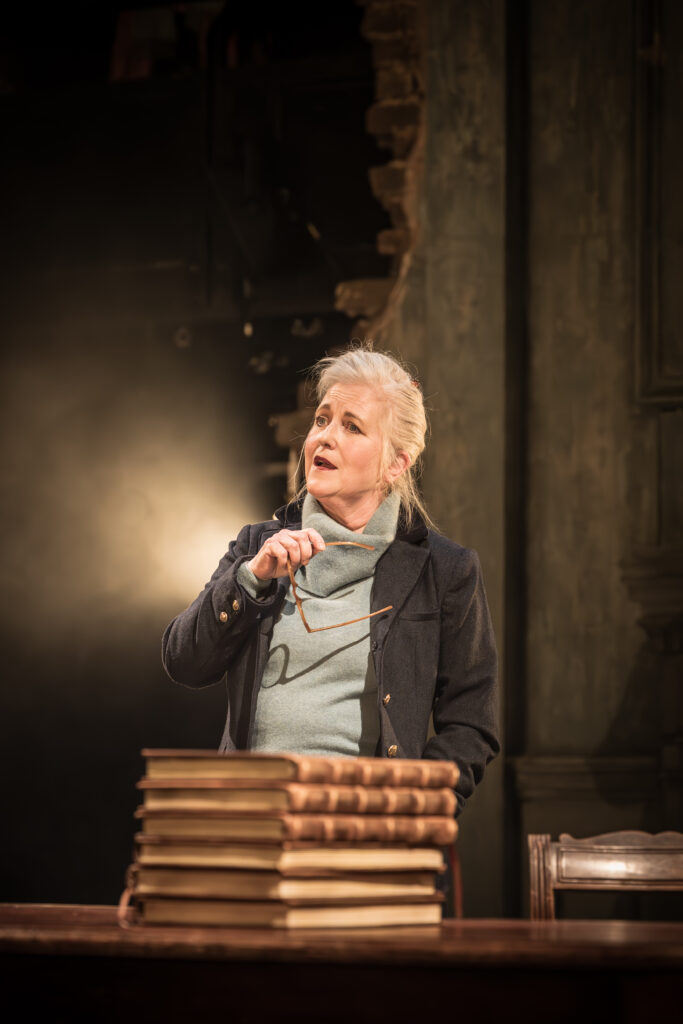
The actors do an excellent job of conveying their distinct characters. Marva is the bold, ambitious protégé to Abi, as the pair struggle to keep their university archiving department afloat. Fenella is primarily concerned with maintaining the estate’s viability, ensuring a steady stream of visitors to its restaurant and gift shop. All three performers bring a three-dimensionality to roles that could easily have slipped into farce.
The real standout of the production is the house itself, which emerges as a character in its own right. Brought to life through ingenious staging, the set moves us fluidly between the rose room, the study, the dungeon, and even the maze outside. The house becomes a kind of theatrical puzzle box, complete with trapdoors, hidden panels, and an ever-shifting ceiling. It leans fully into the haunted house aesthetic: walls creak, structures clank into place, and the entire space seems to conspire with the narrative. Jon Bausor’s set design really captures the feeling of being on the Haunted Mansion theme park ride – immersive, unpredictable, and tactile.
The play handles its difficult themes of slavery, identity, and privilege without ever losing momentum. At times, it leans towards the obvious, and its conclusion may prompt a raised eyebrow from historical archivists, but Pinnock’s script remains an engaging and compelling piece of theatre. There is a weighty exploration of racial identity and legacy, holding the trauma and privilege that Harford’s records expose. These ideas are thoroughly and thoughtfully drawn out, posing difficult questions both to the characters and the audience, an important contribution to the cultural conversation. Well written and confidently performed, this play makes full use of the Dorfman Theatre’s intimate space to bring its often humorous yet important story to life.
The National Theatre until May 9th.
Booking and full details: https://www.nationaltheatre.org.uk/productions/the-authenticator/