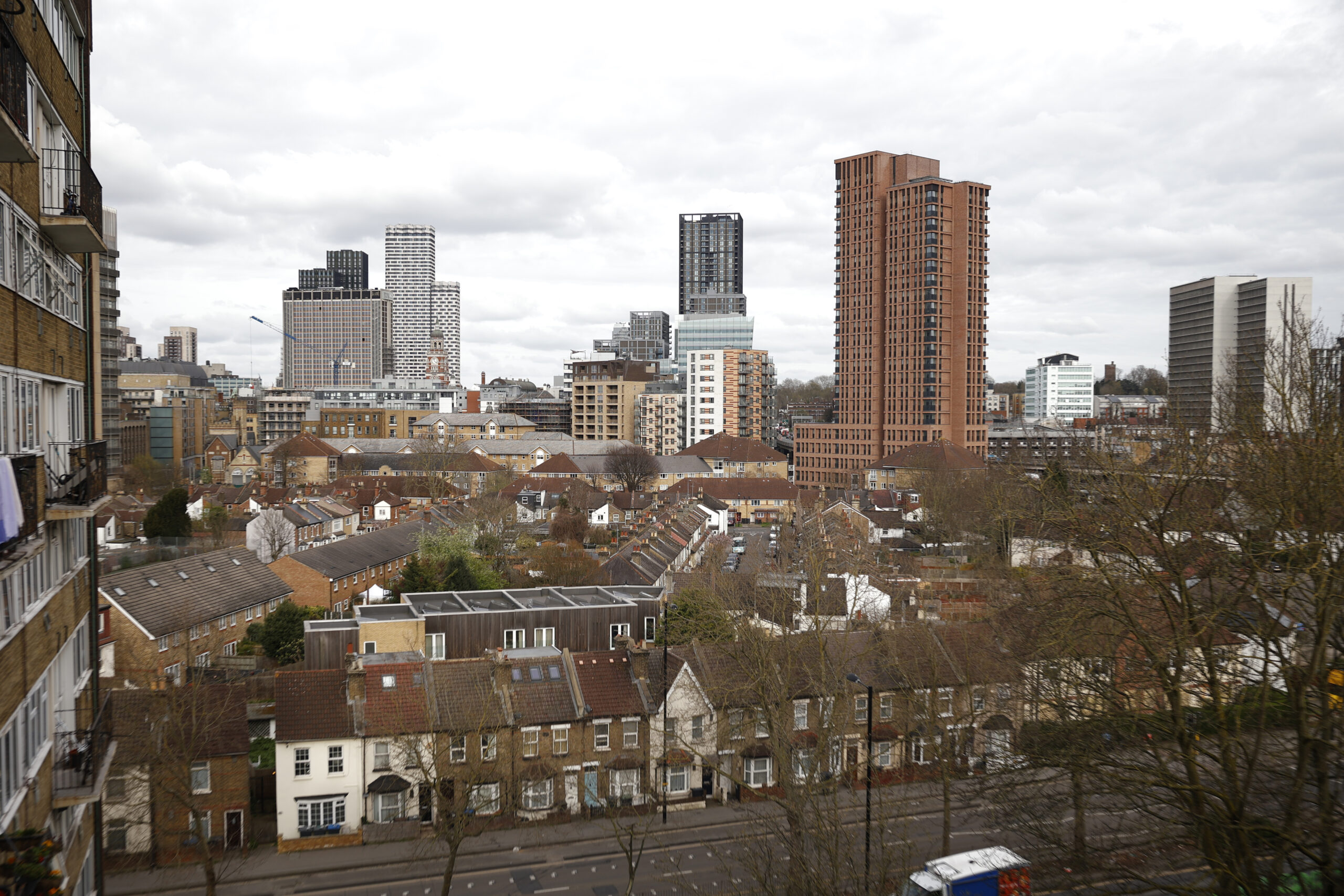
Hundreds of empty council properties in Croydon are sitting vacant for longer periods despite thousands of families residing in temporary accommodation both inside and outside the borough.
Croydon’s own figures show that 417 council homes are currently vacant and awaiting repair, while the council’s average time taken to re-let a property has risen from 130 days in 2024/25 to 206 days in the first quarter of 2026/27.
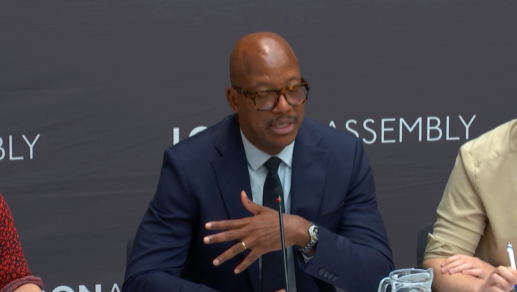
Croydon resident and Housing Assurance Board member Les Parry told the Local Democracy Reporting Service (LDRS) that he believes ‘voids’ – council properties that have been vacated and need decoration or repairs before they can be reallocated – and temporary accommodation remain ‘the poor relation’ of the council’s housing service, despite improvements elsewhere in the borough since 2021.
The figures come from a deep-dive report due before the council’s Housing Assurance Board on September 14, which found that of 417 vacant properties, 207 need standard repairs and maintenance before they can be re-let, while 141 require major structural or capital investment to meet safety and lettable standards.
The remaining 31 are in the pre-works phase and undergoing initial inspections before repairs begin.
Over the last quarter, the local authority also received an average of 40 new empty homes each month but only completed 36 re-lets in the same period. This puts the council significantly short of its target of 60.
More than 8,300 applicants are currently on Croydon’s housing register waiting for social or affordable rented homes. Meanwhile, as of July 2026, 3,269 households were living in temporary accommodation while awaiting a move into permanent housing.
However, against this backdrop, the report details past procurement blunders, including how three contractors brought in to address the backlog in 2023 were never engaged by the council.
The report states that this had an “adverse impact on pre-allocation” and led to concerns over repair quality, and details how officers have struggled with rigid practices around asbestos and energy checks, while staff usage of the central property database was described as “patchy”.
It also found that administrative burdens were leaving surveyors tied up with paperwork and repeat inspections instead of getting on site to enforce repair deadlines.
Changes to housing policy had also caused friction between council teams, with senior directors having to intervene to get key handovers moving again.
Parry, a council tenant with extensive knowledge of the borough’s housing situation, told the LDRS that while Croydon’s housing services have “greatly improved since 2021”, the council “moves slowly to implement improvements”.
“One example is voids and temporary accommodation,” he said. “This has been a poor relation to other services such as responsive repairs, which is improving.”

Parry also raised concerns over tenant satisfaction in the borough, with the latest figures showing that just 53 per cent of tenants are satisfied with the council’s housing services.
“Tenant satisfaction stands at a stagnant 53%, meaning 47% are not satisfied but have not been asked why?” he said. “Improvement needs to be quicker and communication with people much better.”
At Monday’s (September 14) Housing Assurance Board meeting, Parry was set to question why the council has failed to meet London and national median targets for void turnaround times despite six years of tenant representation.
He will also ask why a dedicated voids project team, set up in 2022 when turnaround times exceeded 200 days, was disbanded without its final report and recommendations being published.
Responding to concerns over its void property numbers, a council spokesperson told the LDRS: “We know how important it is to bring empty homes back into use as quickly as possible. This helps us provide homes for residents who need them, reduce the use of temporary accommodation and minimise rent loss.
“We have already made improvements to our voids service and are continuing to work with residents and partners to drive further progress. Together, we have developed a new void standard to help make sure homes are returned to a good quality and ready for new tenants as quickly as possible.
“We know there is still more to do, and we have a clear improvement plan in place to keep performance moving in the right direction.
“The Housing Assurance Board plays an important role in scrutinising this work. The board brings together residents, councillors and independent housing experts to review performance, challenge the council on areas that need improvement and help ensure residents’ experiences shape service changes.
“An update on our work to improve the voids service will be discussed at the Housing Assurance Board meeting on Monday, 14 September. Members of the public are welcome to attend and hear more about the progress being made and the next steps for the service.”