See how migrants and refugees brought different skills and cuisines
Once again, the capital’s museum has outgrown its premises but now moves to what is the biggest museum in the world that is dedicated to a city; its spaciousness will guarantee its stay there for several generations, writes Michael Holland.
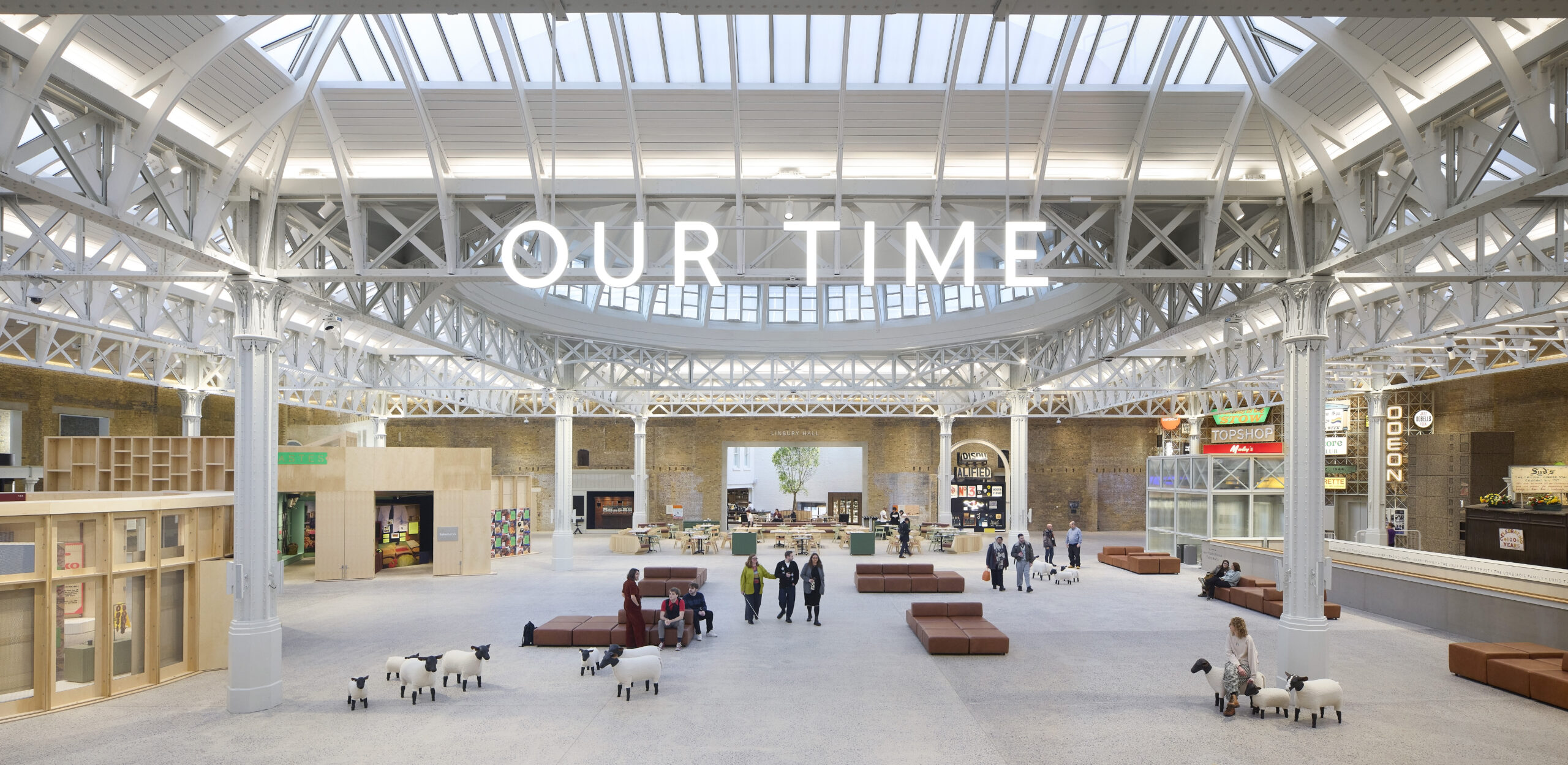
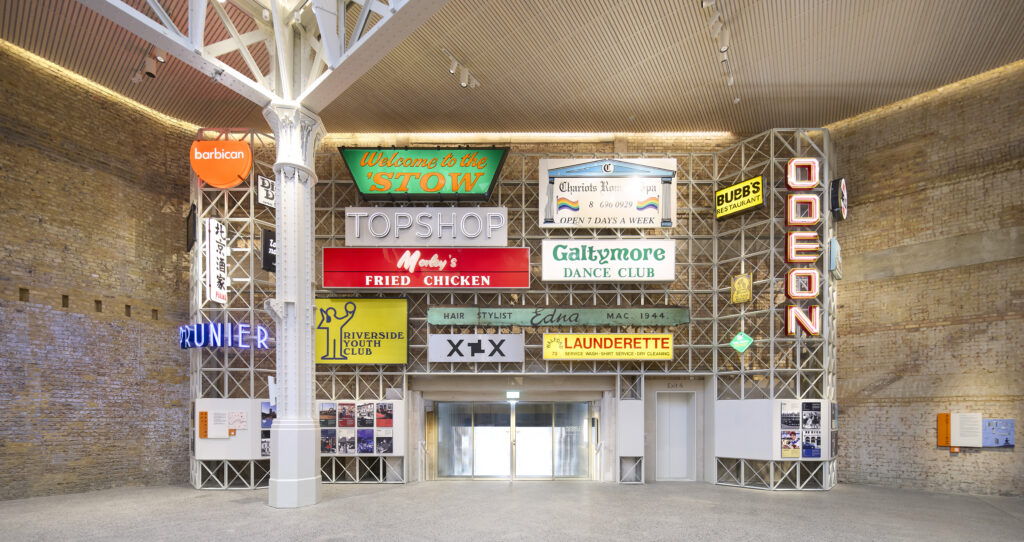
At the entrance to the newly renovated part of Smithfield meat market is an old bell that was once rung hourly, and in keeping with tradition, still is. Beyond that is a grand space lit by nature and electric, with ample seating, life-size models of sheep to remind us of the building’s past, original shop signs (The first Morley’s chicken shop), Walthamstow Dog Track, Topshop, plus the more obscure.
Newly-built partitions are dwarfed by the huge Victorian iron structure and glass sky lighting, designed by the architect who designed Tower Bridge, Horace Jones. The plain, wood affairs do not compare well with Jones’s grandeur. But they will over time. This is the Our Time floor, with plenty of room for more and more exhibits as the years go by.
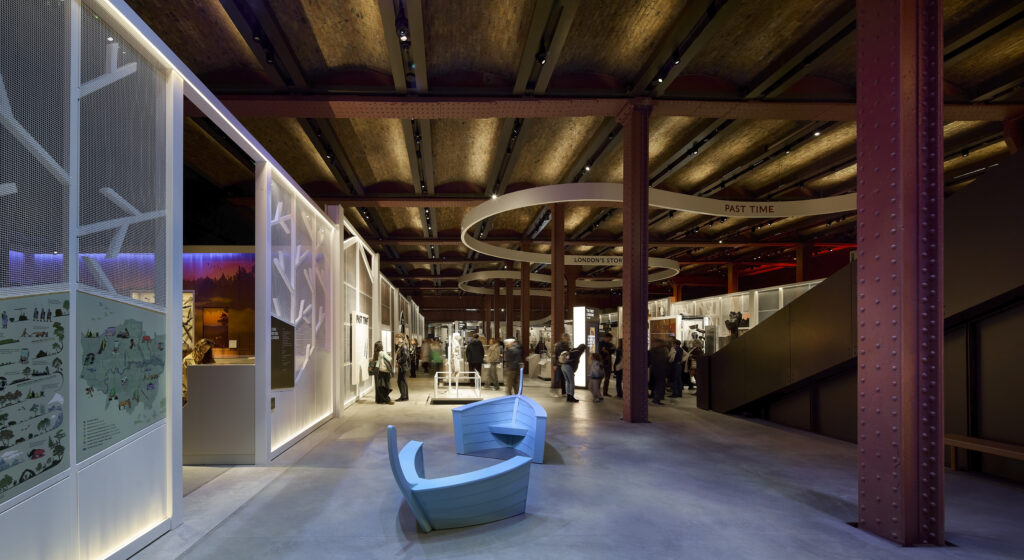
I was more interested with the Past Time in the basement below, the section where all the space is utilised to tell the story of London and Londoners right back to when we were hunter-gatherers following the seasons and the animals along the Thames; through the coming of the marauding Romans who brought some sense of order to their main town, to several pieces of the old city that survived The Great Fire, and great buildings that survived the last World War; we learn about Londoners’ lives over thousands of years. The artefacts are incredible, and a big shout out must go to the mudlarks who have provided innumerable pieces of history that survived in the Thames mud.
Words by each vitrine explain how we changed through migration, when people came ‘to trade, share news and build relationships’. We hear of how ‘Southwark was inhabited by a diverse mix of people, from many different countries across the Roman Empire, as well as Iron Age Britons… These people had different skin, hair and eye colours. Gradually the population changed, both in how they looked and lived.’
Moving into the 20th century we see how migrants and refugees brought different skills, different cuisines; how the citizens spent their leisure hours at the music hall and cinema, how fashions changed through the years, and the arrival of the Ford Escort – one of my first cars.
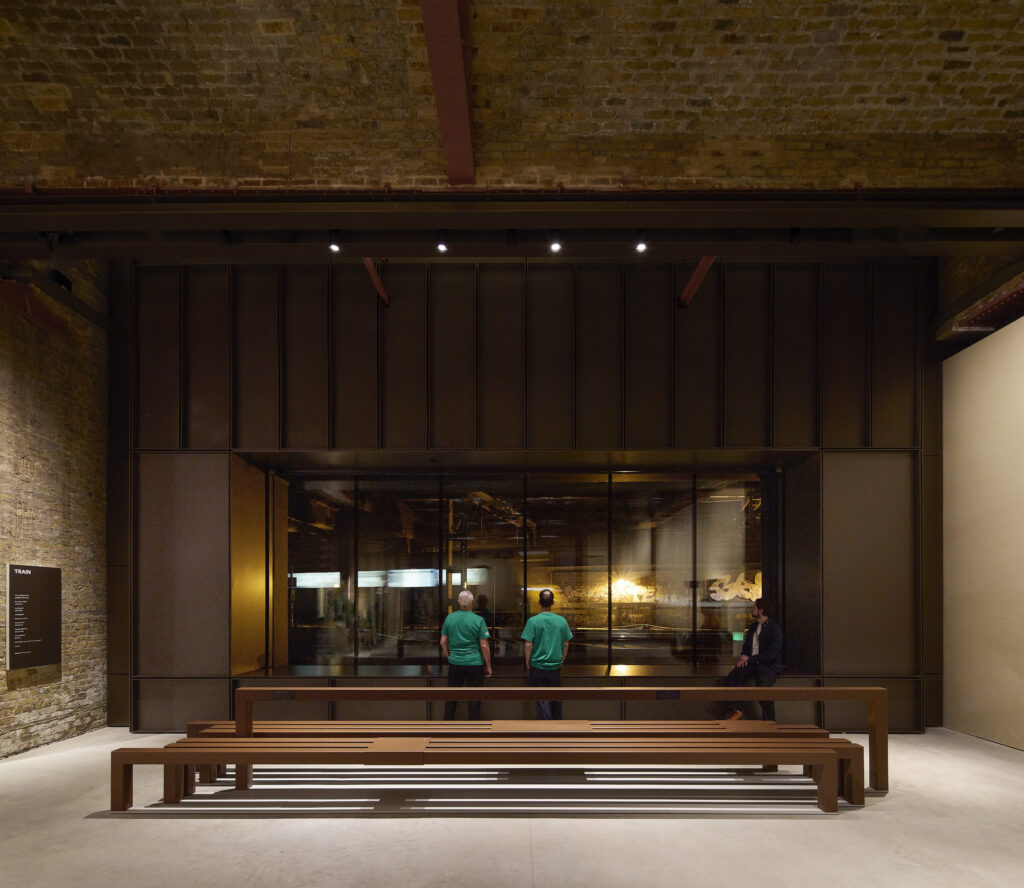
A highlight for me was the viewing window where you can see Thameslink trains thunder by, and in those brief seconds watch the look of amazement on the commuters’ faces, not sure of what they actually saw before disappearing back into the tunnel.
The London Museum truly is a treasure trove of amazing delights. It is a major addition and asset to our capital, and everyone should go and really learn about the city they call home.
Booking and full details: https://www.londonmuseum.org.uk/