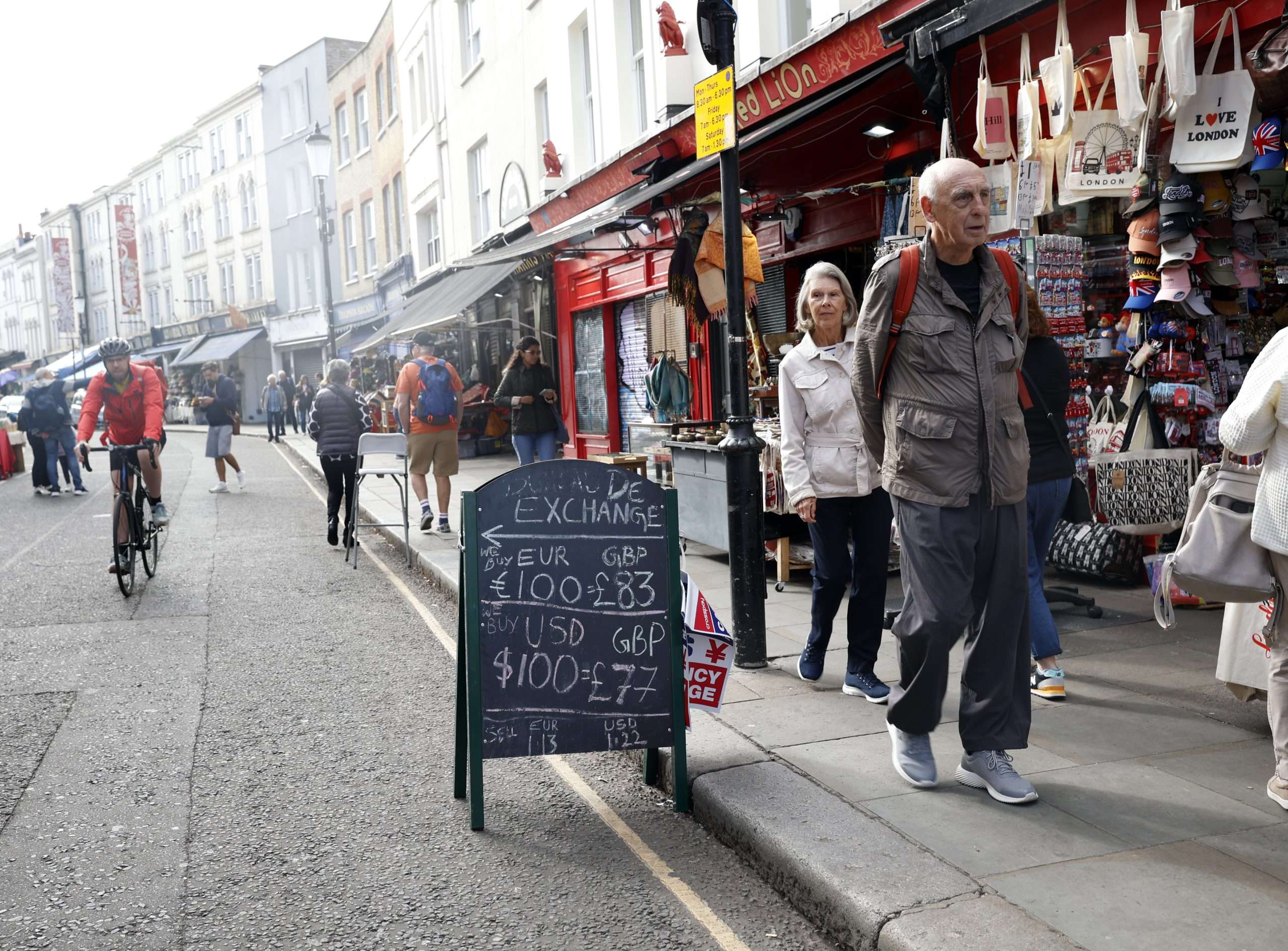
Traders at a famous London market say they’re being forced to go cashless and fear they’ll have to close their stalls.
Portobello Road traders claimed customers will miss out on the “authentic” market experience if stalls continue to go cashless.
JP McCormack, 41, runs the Portobello Vegan Market and fears people are losing the “elemental freedom” cash offers.
He said: “Cash is important, especially for the likes of markets. It has always been cash and very rarely were card payments common.
“Cash is part of the experience of coming to a market. It’s authentic and lets you interact with people.
“There are a lot of people from different generations that use cash and people who prefer to use cash probably won’t come down.
“Cash is a freedom for people. There is an elemental freedom to using it.”
JP, who manages 20 traders, claimed a lot of people aren’t ready to go cashless.
He said: “It’s a big problem for smaller businesses, especially for people who maybe don’t have a good credit score.
“I don’t think cash is dead and I think smaller businesses that stand up for cash will make it part of society.”
Dee Mackenzie, who is in her 50s, has managed an acrylics and abstract art stall on Portbello Road for the past six months. She takes cash and card but worries going cashless could scare tourists, elderly people and the homeless away.
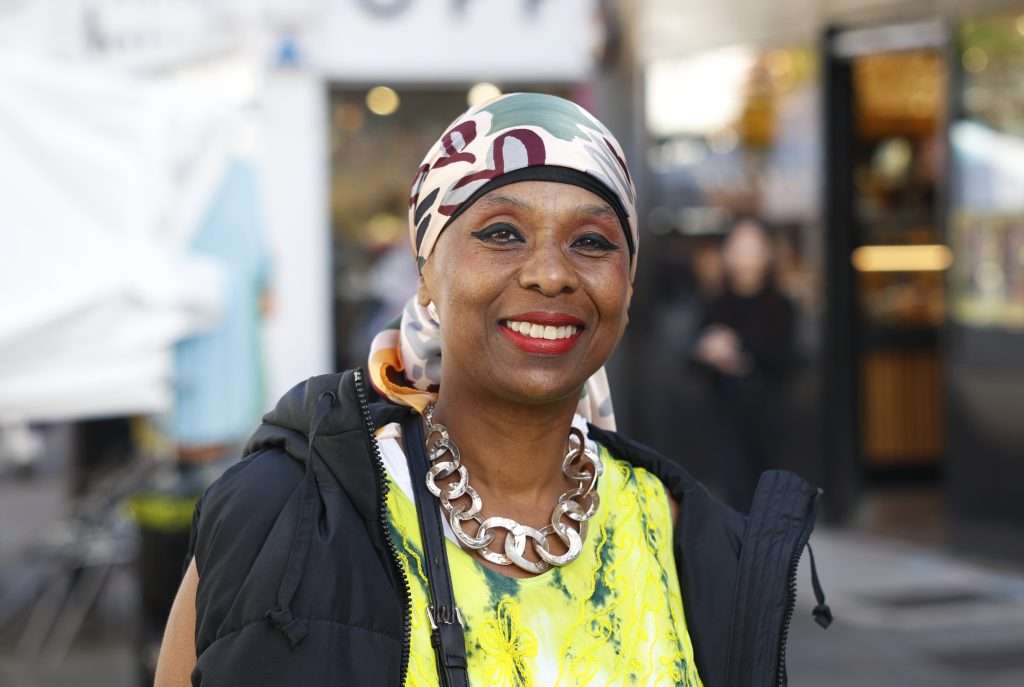
She said: “I think it would make a huge difference to your daily takings a lot of that custom will be from tourists or there are a lot of local people who shop and literally live on the road to you know, they tell you they’re local so they will support you.
“I would perhaps have to re-evaluate my place here if I didn’t have that. Because there are so many ramifications if somebody can’t pay by cash.
“I think I would have to expect perhaps few sales to see that drop and I guess just monitor it from there.”
She said it was “suicidal” to push this demographic away, who she claims aren’t able to keep up with technological changes.
Meraj Aisha, 56, has run a fruit and veg store since 1996 and is worried what going cashless means for his business.
He said: “I take cash and card but it will drive away customers. I don’t want a cashless society, it will affect the business, people will just walk away and find somewhere else if they don’t have access to a bank. It will turn away like half of my customers.”
Kerem Ozogul, 52, has been selling hand-crafted mobile phone accessories at the market every day for years. He said he relies on tourists for business and said many rely on the safety of cash.
He said: “Tourists don’t trust cash machines, even though they are perfectly safe, it’s understandable why they want to pay in cash. It doesn’t make sense to get rid of that option. It should be both.”
Bar owner Dermot Cadogan disagrees. He said taking Acklam Village to the cashless world has boosted his profits by 38per cent in six months.
He still accepts cash but said he “hardly” takes it these days because he claims customers prefer to pay with their cards.
Dermot accepts card machine providers “have you by the short and curlies” when it comes to charging feed, but feels the pain is worth the gain. He said he pays roughly £500 a month for six card machines.
The cost includes a percentage of each transaction and renting the machines out.
He said: “At the end of the day it is what it is. There’s no point fighting it. It is too late. Cashless payments are here to stay.”
HM Treasury said the government has legislated to protect access to cash through the Financial Services and Markets Act of 2023, which gives the Financial Conduct Authority the power to ensure there is a “reasonable provision” of cash withdrawal and deposit “facilities” for the public and businesses.
It said the government’s Cash Access Police Statement has set out plans to ensure people and businesses in urban areas are no further then a mile away from an ATM, and three miles for rural areas.
The Treasury also said LINK, which runs the UK’s largest ATM network, has committed to protecting the spread of free-to-use ATMs.
The department added that non-cash transaction now account for 86 per cent of UK payments and expect the use of cash to reduce over the next decade.
A government spokesperson said: “The way people access and manage their money has been changing for decades. While it is the choice of businesses to determine the methods of payment they accept, for many, cash still has an important and continuing role to play as a means of paying for goods and services.
“The government has legislated to protect access to cash withdrawal and deposit facilities for people and businesses.
“This will support businesses to continue accepting cash by ensuring they have reasonable access to facilities to deposit their cash.”
Kensington and Chelsea Council was approached for comment and said it would not be issuing a statement at this time.
*Additional reporting by Alicia Curry