‘I find myself searching for some friction beneath the aesthetic surface’
At the Hayward Gallery, Chiharu Shiota: Threads of Life and Yin Xiuzhen: Heart to Heart unfold as immersive spectacles that seem to anticipate the smartphone before the spectator. Both exhibitions lean heavily on scale and atmosphere; whatever tactile or emotive charge they possess feels secondary to their visual impact. The works are meticulously staged, eminently photographable, but harder to grasp, writes Charlotte Lang.
Shiota’s Threads of Life typifies this tendency. Drawing on Red String Theory — or Akai Ito — the Japanese belief that our most meaningful encounters are predestined, connected by invisible threads that may tangle but never sever, Shiota literalises the metaphor at a monumental scale.
Born in Japan and based in Berlin since 1996, she frequently mines memory, displacement and fate as artistic material. Yet here, the conceptual scaffolding feels thinner than the webbing that fills the rooms.
In the opening installation, thousands of keys collected following a miscarriage are suspended within a vast canopy of red thread that engulfs the ceiling. Moving through it is undeniably beautiful: delicate, hushed, immersive. But beyond the biographical prompt, the work offers little resistance. The emotional register remains generalised, the symbolism overly legible. In the next room, 3,000 anonymous letters of thanks hang along a winding pathway of red string. The gesture gestures toward intimacy, but the cumulative effect feels impersonal — gratitude abstracted into an aesthetic pattern.
Much of Shiota’s practice seems more aligned with set design than with sustained inquiry: surreal, theatrical, faintly gothic. The final and arguably strongest work, During Sleep, replaces red with black thread woven densely through metal-framed hospital beds. The installation recalls an asylum ward, rendering the boundary between dream and waking life as something oppressive and entangled. It draws on a period after Shiota first moved to Germany, when she relocated nine times in three years and felt acutely disoriented. The work purports to explore memory, co-existence, body and consciousness. Yet despite its macabre atmosphere, I find myself searching for something more materially or intellectually anchored — some friction beneath the aesthetic surface.
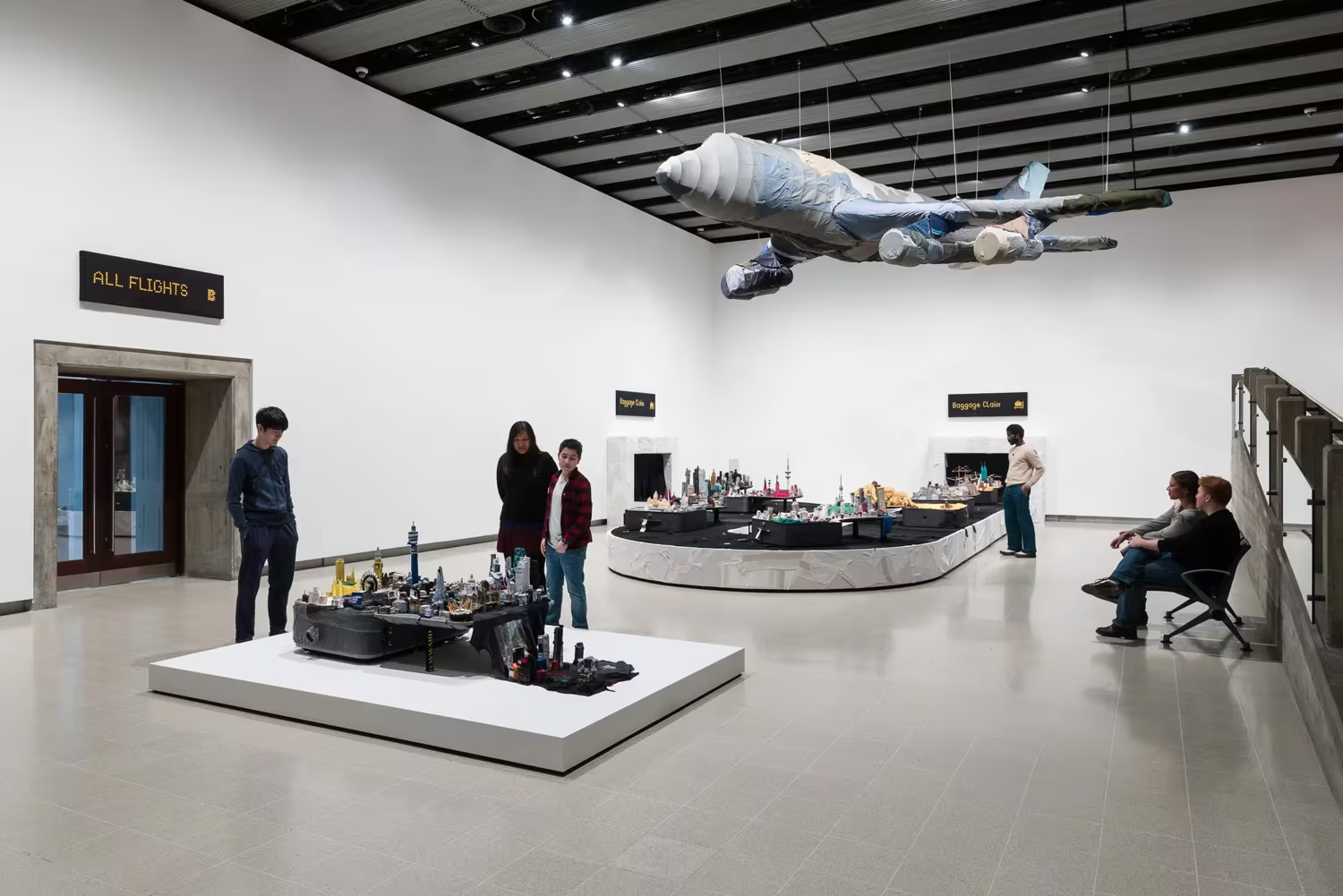
Downstairs, Yin Xiuzhen (b. 1963, Beijing) presents similarly immersive works. The exhibition opens with Portable Cities: a baggage carousel sits beneath a soft sculpture of an aeroplane fashioned from second-hand clothing, recalling her mother’s work as a garment maker. Miniature cityscapes — approximations of landmarks including Big Ben and the Houses of Parliament — spill from worn suitcases, stitched from used garments. There is undeniable craftsmanship and care in the construction. Yet any critique of globalisation or accelerated modernity feels muted, absorbed into the charm of the presentation.
Her newly commissioned Heart to Heart is a monumental soft sculpture of the human organ, also composed of second-hand clothing. Grounded in the Chinese philosophical concept of Xin — heart-mind — in which thought and feeling are indivisible, the piece invites viewers to sit, walk around, and engage in “deep and meaningful” conversation. It is playful, even nostalgic, recalling the rainbow parachutes of primary school playgrounds. But the interactivity feels lightly prescribed, viewers are invited to engage in “deep and meaningful” conversations – as though participation substitutes for depth.
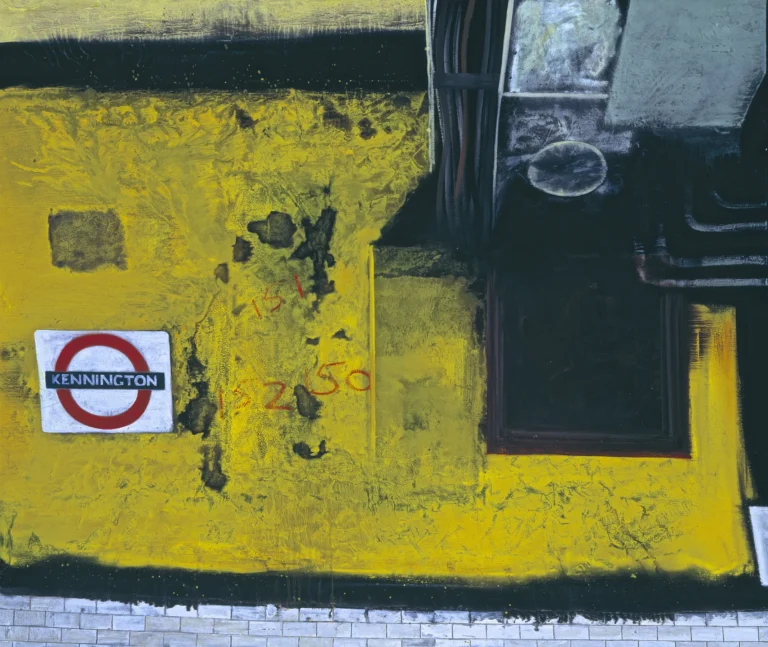
Yin’s earlier work addressing Beijing’s rapid transformation — when, between the late 1980s and early 2000s, highways, factories and high-rise developments replaced networks of siheyuan courtyard homes, carries greater urgency. In those quieter pieces, the tension between loss and progress is more keenly felt. Yet they are tucked away in a side gallery, easily overshadowed by the larger, more immersive installations.
Hayward Gallery until May 3rd.
Booking and full details: https://www.southbankcentre.co.uk/whats-on/chiharu-shiota-threads-of-life/