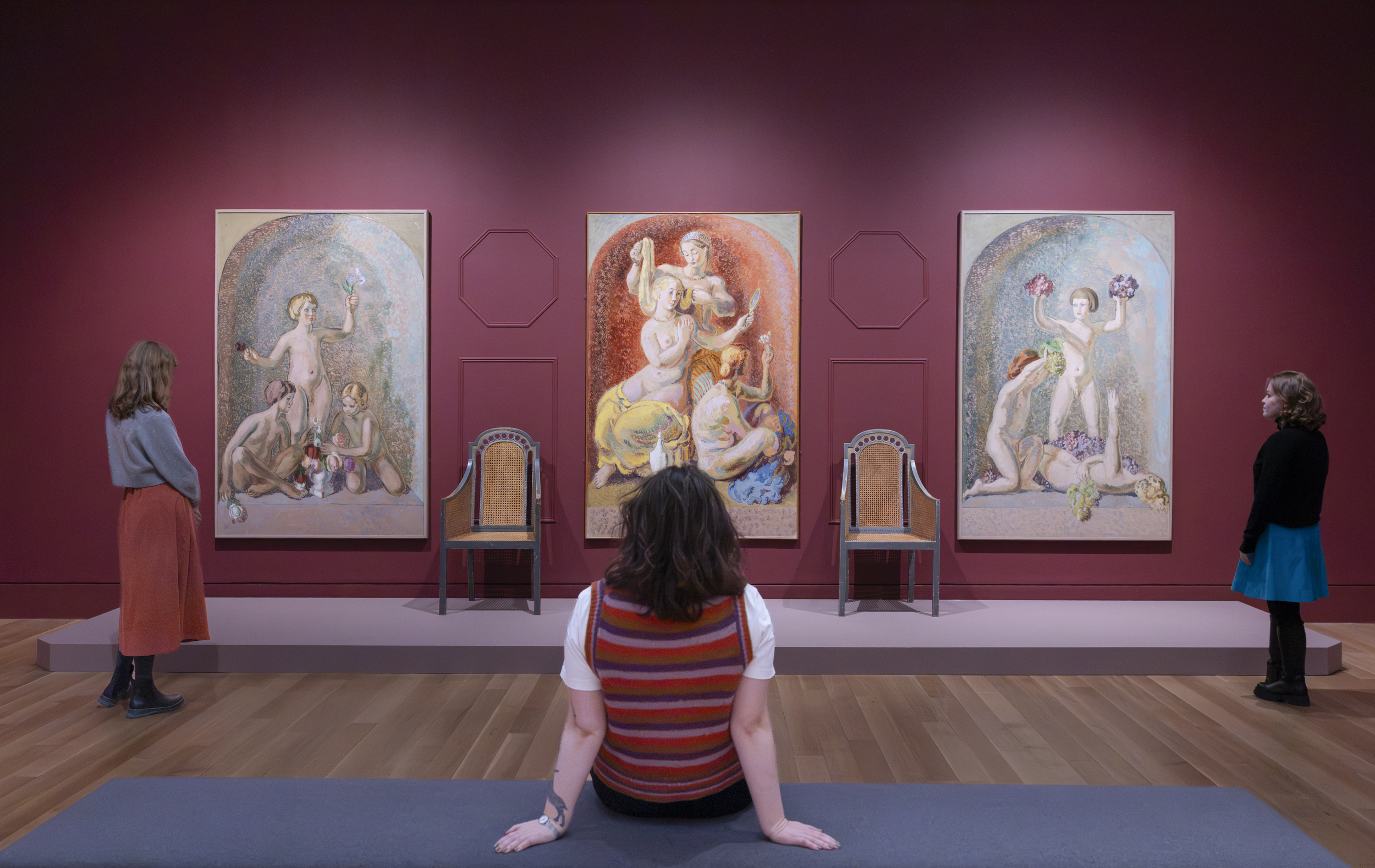
‘Inside Bloomsbury’
In the opening decades of the twentieth century, the British art world found itself caught between the traditions of the Victorian age and an exhilarating new modernity arriving from continental Europe. Few artists embody this fascinating period of transformation quite like Vanessa Bell and Duncan Grant, whose extraordinary artistic partnership is the subject of a vibrant new exhibition at Tate Britain, writes Leo Dunlop.
The exhibition elegantly charts the development of their distinct artistic identities, revealing two painters who embraced the changing visual language of modernism while never quite abandoning the traditions from which they emerged.
Bell’s early portraits, influenced by her training under John Singer Sargent, possess a remarkable sensitivity to light and character. There is a flicker of life caught in the simplest brushstroke, illuminating a soul or place.
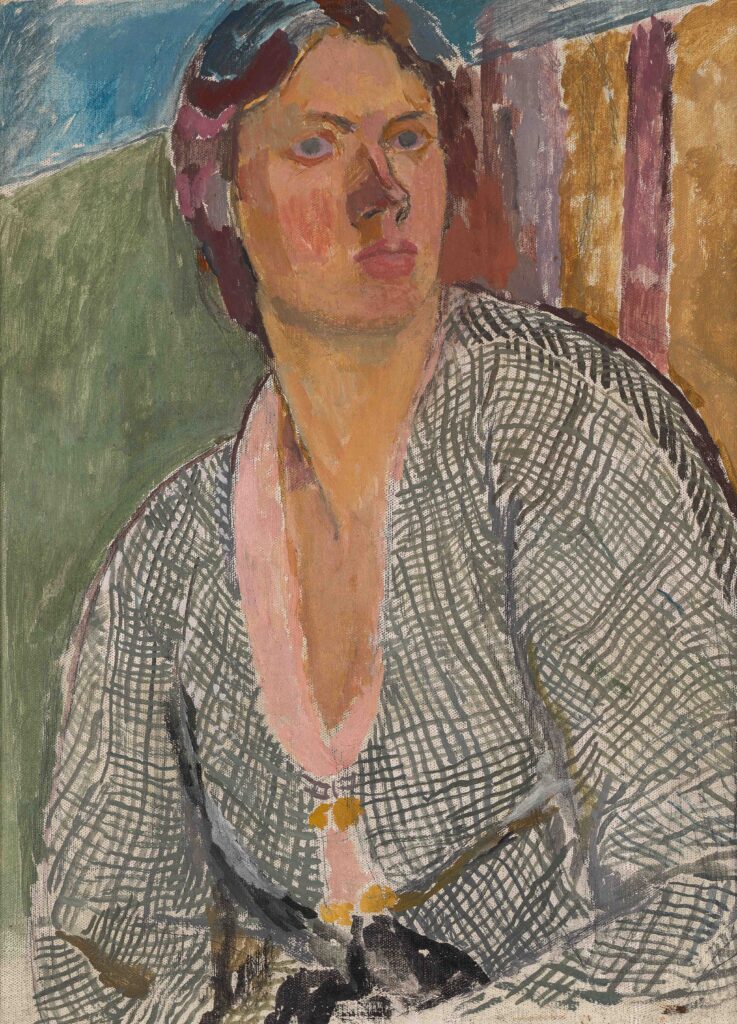
The exhibition establishes 1910 as a pivotal turning point. That year, Roger Fry’s Manet and the Post-Impressionists’ exhibition in London introduced a largely horrified British public to the radical developments taking place across the Channel. Yet for Bell and Grant, the possibilities were liberating. Forms became increasingly malleable, compositions were stripped to their bare components, and colour took on a heightened expressive significance. Precise and characterful portraits gave way to simplified figures, bold outlines and increasingly abstract arrangements.
Bell’s sister, Virginia Woolf, later reflected that while they could see the future, they remained completely in the power of the past. It is a sentiment that speaks to the artistic tensions explored throughout the exhibition.
What makes their work so compelling, however, is that these influences never amount to mere imitation. The presence of artists such as Pierre Bonnard is unmistakable, yet Bell and Grant continually absorb these developments into their own distinct visual language. Their work retains a peculiar and wonderful Englishness, an intimacy of domestic life, gardens and familiar interiors, even as the colours become bolder and the forms increasingly adventurous. We are led on a journey of global artistic change through the lens of their lives and works.
This experimentation soon moves beyond the canvas. Paintings spill onto textiles, furniture, folding screens and ceramics, breaking down the boundaries between fine art and everyday objects. Their remarkable Famous Women Dinner Service, a series of painted ceramic plates celebrating women from history and culture, is showcased as a pioneering work of feminist art. Fascinatingly, the plates are unsigned, making it difficult to distinguish the hand of one artist from the other.
Indeed, questions of authorship and collaboration become central to the exhibition’s success. Bell and Grant’s artistic identities frequently overlap, their styles borrowing from, responding to and occasionally becoming almost indistinguishable from one another.
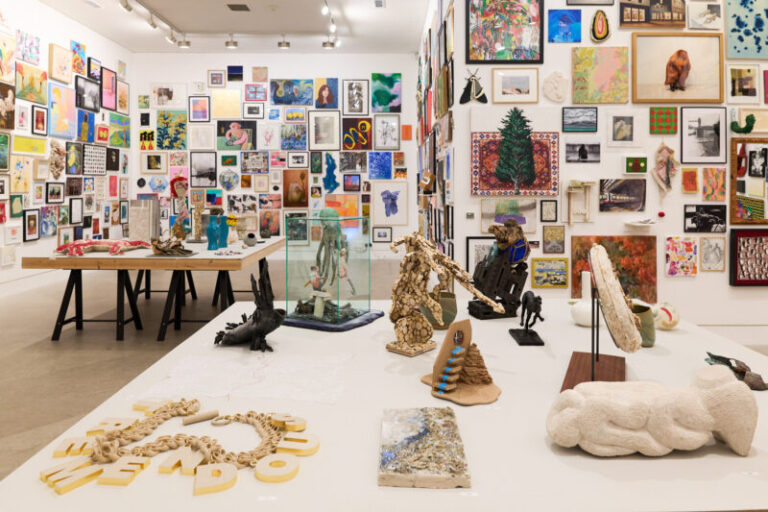
The curation makes this relationship tangible. Initially, the works of Bell and Grant are positioned opposite one another, occupying opposing walls as though offering two distinct perspectives on the same artistic moment. Yet as we move through the exhibition, this careful separation begins to dissolve. Their paintings gradually intermingle, swelling around one another until the rooms become a shared space of artistic expression.
There is almost a love affair in the curatorial arrangement itself. Their works seem to swirl and orbit one another, entering into an increasingly intimate dialogue. They reflect, respond to and even decode each other, just as the artists themselves did throughout their lives. It is a remarkable curatorial achievement that, by the exhibition’s conclusion, we understand Bell and Grant as both utterly intertwined and unmistakably distinct individuals. Their artistic identities have become inseparable without ever losing their individuality.
Their unconventional personal relationship is approached with similar sensitivity. As central figures of the Bloomsbury Group, Bell and Grant challenged the social and sexual conventions of their time, developing an extraordinary intimacy through art, love and domestic life. The exhibition does not attempt to neatly resolve the complexities of their relationship, nor does it impose a rigid biography upon their work. Instead, we come to understand their affection for one another through the art itself, and the remarkable extent to which their shared lives shaped their creative output.
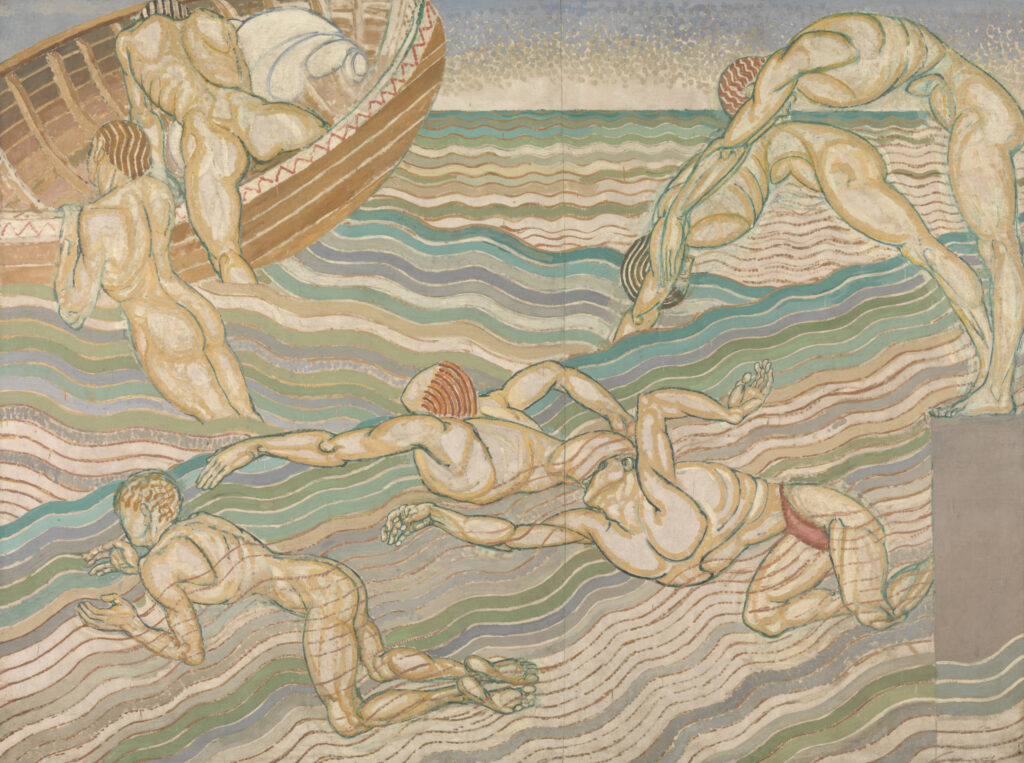
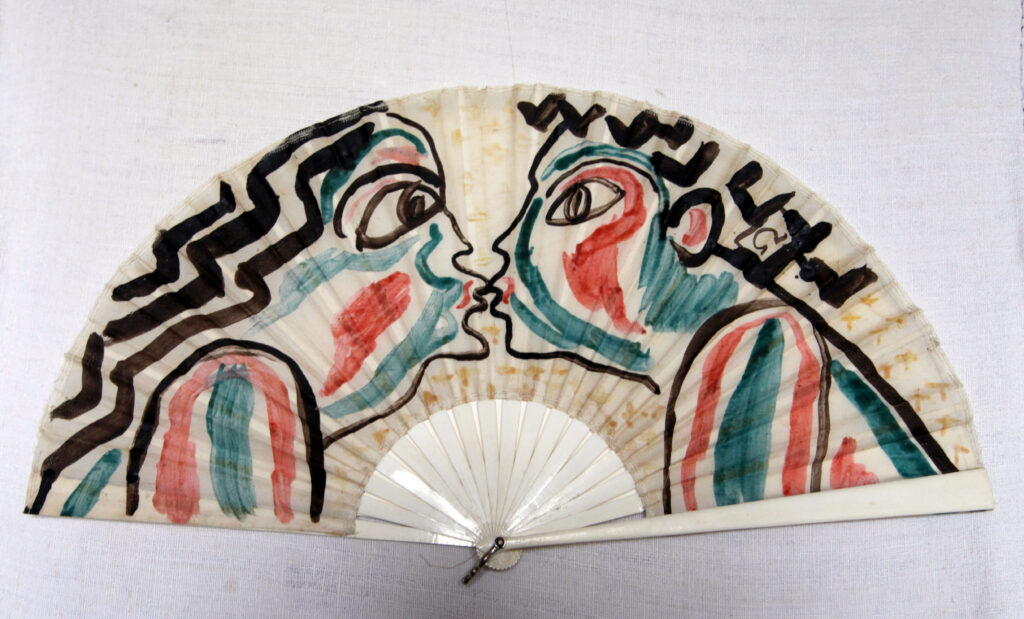
An almost hidden room dedicated to Grant’s homoerotic drawings is particularly affecting. Created at a time when sexual relationships between men were criminalised, these intensely private works possess a striking sense of danger and vulnerability. Their physicality feels markedly different from the domestic warmth elsewhere in the exhibition; they are raw, volatile.
The exhibition’s boldest curatorial gesture comes in its recreation of the artists’ studio at Charleston, their beloved Sussex farmhouse. Although undoubtedly an impressive undertaking, the reconstruction risks becoming something of a novelty. Surrounded by objects meticulously removed from their original setting, the space feels strangely suspended, offering the appearance of a lived-in studio without quite communicating the creative energy and complicated domestic relationships that had occupied the space.
Nevertheless, the exhibition’s greatest achievement is its remarkable clarity of progression. Where large-scale retrospectives can so easily become muddled or repetitive, each room here offers a fresh perspective on the pair, their artistic development and the extraordinary cultural world they inhabited.
Ultimately, Inside Bloomsbury is a celebration of two artists whose creative lives were inseparable from their personal ones. Across five decades of artistic experimentation, Bell and Grant offer us an intimate view of an art world undergoing extraordinary change, constantly absorbing new influences while producing work that remains unmistakably their own.
It is an immensely rewarding exhibition, not simply for the enduring beauty of their paintings and colour palette, but for the fascinating portrait it offers of two people experimenting, working and loving together through one of the most transformative periods in British and European art.
Tate Britain until 11th April 2027.
Booking: https://www.tate.org.uk/press/press-releases/vanessa-bell–duncan-grant-inside-bloomsbury