A West London council says it chose not to share important information about positive legionella samples in one of its buildings with staff because they are “not uncommon”.
However two staff members have accused the council of keeping workers in the dark which led to some unknowingly taking risks with using showers that were out of order.
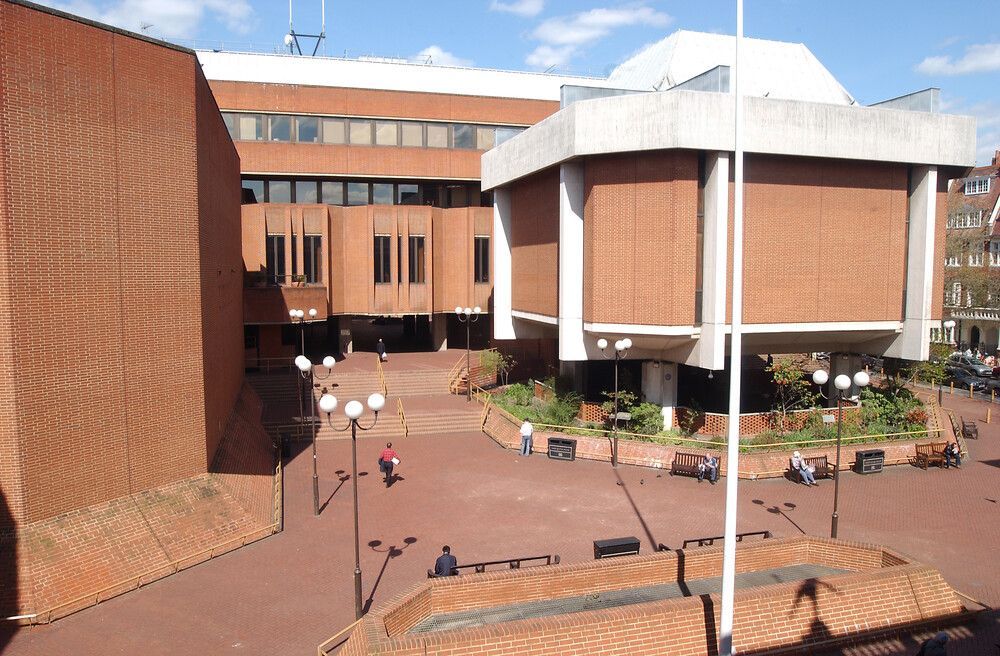
Kensington and Chelsea Council said the presence of legionella in Kensington Town Hall on Horton Street, believed to have been between February and June this year, posed a “very low risk” to staff and that no-one tested positive for Legionnaire’s disease.
However, two sources close to the matter told the Local Democracy Reporting Service (LDRS) the council has a “sub-par” water maintenance system and took far too long to repair the issue, which they claimed was being caused by aging piping. The LDRS has been told by the sources that the bacteria was present for around four months while efforts to eliminate it continued.
One source claimed: “I’ve been in buildings that have tested positive but when it’s known, it’s a serious matter and is rectified immediately, and the residents are told. In that building [Kensington Town Hall], it’s been going on for years.”
Kensington Town Hall is accessible to the public and often hosts public events and council meetings.
The sources also claim the council’s failure to tell staff legionella was present meant that blocked off showers and toilets were still accessed and used by those who didn’t understand the risks.
One source told us: “Every day people were breaking into the showers. People saw ‘Out of order’ signs but because they didn’t mention there was legionella, they just broke in and used the showers. They were potentially exposing themselves to something harmful.”
‘Just say we are doing some work to the water system’
The LDRS has been investigating the matter since July and has seen internal emails discussing it – some shared by sources at the council and others released following our Freedom of Information request.
The LDRS understands the maintenance team received higher than usual legionella readings in early February and moved quickly to block off contaminated areas. These areas consisted of toilets, sinks and kitchen areas.
Crews carried out chlorination ‘flush-outs’ on February 7 and retested the supply 96 hours later. They then had to wait 14 days for a result, which showed legionella had been found in the showers in the staff changing room and in the Freeman suite, which consists of offices, a canteen and meeting rooms.
The facilities were immediately taken out of service and locked, and a message to staff was sent out the same day, according to the council, however the LDRS understands this did not make reference to legionella. The authority said Zip taps are used for drinking water and making hot drinks, which were not affected.
Legionella is only a health risk if it is atomised and then inhaled, which can happen in systems such as a shower or air conditioning unit, and is not dangerous to anyone if it remains in the water. However if inhaled in droplets it can cause the pneumonia-like illness Legionnaire’s disease, which typically causes a shortness of breath, coughing and flu-like symptoms.
A Freedom of Information request submitted by the LDRS revealed communications from senior managers suggesting staff should simply be told the showers are out of action for “essential maintenance”. On February 26, Dan Hawthorn, the council’s Executive Director of Housing and Social Investment, said a morning bulletin should go out the following day describing the situation with the showers.
In brackets he then writes: “Though perhaps just say we are doing some work to the water system.”
The same email chain shows senior employees expressing concern about how often the water system tested positive for legionella. The email read: “I’m conscious that we had problems last summer and also in 2023, and that worries me. In August 2024 I recommended a review of water safety arrangements. Did that happen?”
An employee responded: “I’m not sure as the H&S (health and safety) manager left the organisation in my first afternoon of joining RBKC (Kensington and Chelsea Council). I will initiate this review as soon as our new AE (authorising engineer) contractor is appointed and apologise that this was not completed when you suggested.”
It is not clear who wrote these responses, however, they were addressed directly to Mr Hawthorn and Maxine Holdsworth, the council’s Chief Executive Officer.
Another email chain provided to the LDRS by sources suggests a ‘flush out’ of the piping with chlorinated water was delayed almost a day because the council was hosting an awards ceremony with 700 guests at Kensington Town Hall.
Kensington and Chelsea initially denied there were any delays in responding once they were informed of the presence of legionella, however when informed we’d seen emails suggesting otherwise they admitted that on this occasion they had delayed it on the advice that it was safe to do so.
One source said: “No one wants to go against the grain and say, ‘No, we actually need to cancel this [event]’. No one wants to do that so it’s hard to shut the building to do any of the needed work because they rate all of these events more than the overall safety [of staff].”
They added: “They [the council] don’t really care. They’re always in damage control. They’re always really caring about their names and keeping this pretence that everything’s fine and okay rather than actually managing proper safety, staff and wellbeing.
“They like to talk the talk but don’t walk the walk and pretend they really care about all the constituents but it’s all about the money, it’s all about the reputation and protecting it that is more on their agenda than actually delivering.”
According to the council, the authority follows or exceeds industry best practice and meets statutory testing requirements, and claims its actions were effective because there were no reported cases of legionnaire’s disease.
Legionella is present throughout mains water in general and if water is not run in a pipe for several days the bacteria develops in stagnant water that remains in the pipe. Rust or organic matter present in pipes can help the bacteria to grow.
According to the sources, legionella was caused by a rusting of the piping inside Kensington Town Hall, a process also known as ‘pipping’. They said the council needs to replace all the piping inside the Town Hall. The LDRS understands legionella was also found at nearby Niddry Lodge as well as two flats adjoining the Town Hall.
‘Kensington Town Hall has a huge legionella problem’
The LDRS understands the council maintenance crew was tipped off by cleaners that locks to the staff showers, which are typically used by those cycling to work, were being tampered with as early as March. They also noticed they were being used as there was water on the floor.
Additional security measures were reportedly installed by the council once it was alleged some facilities may still have been accessed. But the sources told us this could have been prevented had senior management been upfront about the presence of legionella.
One source said: “They should have [told staff] and just controlled it in such a way to say, ‘Hey, this is not really any danger for you but it is serious enough and so you need to understand’ but they didn’t do that. They kept on saying it was on maintenance and this is one of the reasons people started using the showers, and toilets as well.”
They added: “It was taking so long to resolve this issue and staff…after a while, like humans, they then just started using them.”
The other source claimed: “Kensington Town Hall has a huge legionella problem…I said ‘Maybe we should tell people’. They said ‘No, no, no, we can’t tell people that – it’s contained in some of the showers that people use. We put up a sign but people are breaking in there and using them’.”
‘Positive legionella samples are not uncommon’
According to the local authority, there was no delay in responding once it was informed of the presence of legionella and immediately informed its water authorising engineers and facilities management team. According to the council, the first recorded flushings took place at the start of February on the same day they were notified of the presence of legionella.
Any outlets with high counts of legionella were immediately taken out of service and a comprehensive programme of remedial work, including cleaning and chlorinating the domestic hot and cold water system and replacing components, was carried out. Access to affected outlets was shut off and alternative facilities were provided.
A council spokesperson said: “The safety of staff and visitors is given the highest priority. Positive legionella samples are not uncommon in large and complex buildings such as Kensington Town Hall, and most cases present very low risk, which was the professional advice received in this case. It would be wrong to suggest there was any outbreak, in fact no cases [of Legionnaire’s disease] were reported.
“As soon as senior management were made aware of higher positive samples, we worked with water engineers to take swift action. This included shutting down affected outlets, carrying out necessary remedial actions and closely monitoring the system until it was given the all-clear. We advised staff of what areas would be closed, the actions taken including chlorination, and information on alternative facilities for staff to use as repairs were carried out.
“We are investing in upgrades to our systems and will continue to rigorously monitor water quality to ensure the safety of everyone who uses the building.”
TIMELINE
February 7, 2025
‘Higher than usual’ legionella reading at Kensington Town Hall. Chlorination ‘flush-out’ immediately takes place of contaminated areas which included some toilets, sinks and kitchen areas
February 11, 2025
Water supply retested up to 96 hours later. Tests sent away for analysis, which takes up to 14 days.
February 24, 2025
Results received a day earlier than expected confirm legionella in the showers in the staff changing rooms and in the Freeman suite. Facilities are closed and chlorination ‘flush-out’ takes place. Staff are informed the showers are out of use and alternative facilities are provided but there’s no reference to legionella.
February 25, 2025
‘Flush-out’ of the Great Hall delayed for the Jack Peachey awards
February 26, 2025
Internal council emails show Dan Hawthorn, the council’s Executive Director of Housing and Social Investment, saying a morning bulletin should go out the following day describing the situation with the showers. In the emails he adds: “Though perhaps just say we are doing some work to the water system.”
The same email chain shows issues with legionella were present in the summer of 2024 and in 2023.
March 2025
Showers still out of action. Sources claim the staff showers were being used as early as March. They also noticed they were being used as there was water on the floor. The council responds by adding ‘additional security measures’.
June 2025
Legionella is still present but it appears the all-clear is finally given to all areas tested at some point during the month.