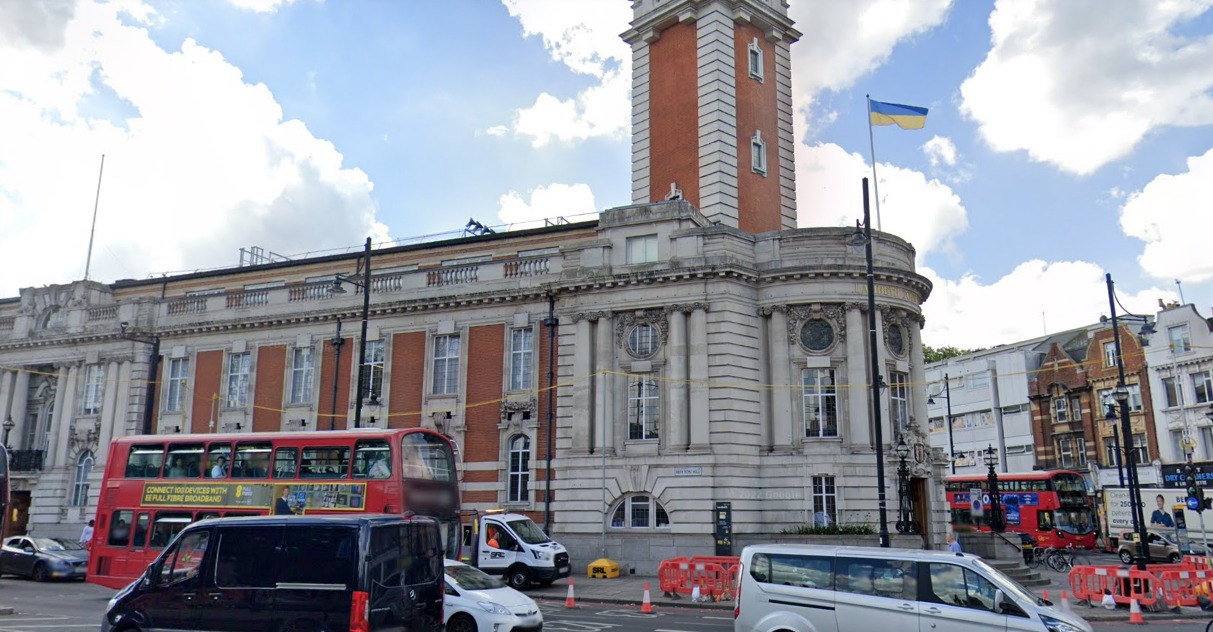
Lambeth Council has been named three times in a new Housing Ombudsman report which highlights serious damp and mould failings from social housing landlords.
The South London council was named in a ‘severe maladministration’ report which has been published in the same week Awaab’s Law has come into force.
Awaab Ishak was a two-year-old boy who died in December 2020 from a respiratory condition caused by the severe mould he was exposed to in his family’s Rochdale Boroughwide Housing (RBH) property in Manchester.
The new legislation, which came into force on Monday (October 27), requires social housing landlords to fix reported damp, mould and emergency repairs within strict timeframes.
A Lambeth Council spokesperson told the Local Democracy Reporting Service (LDRS) they have fully accepted and complied with the Housing Ombudsman’s findings, and have apologised to the tenants and have paid them compensation to recognise the distress and inconvenience caused.
In one of the cases, the council failed to properly inspect a home for five years, meaning the root cause of the damp and mould was not found and repairs weren’t carried out.
The resident reported water leaking from the guttering, which caused damp and mould in the home. Nearly a year later, she reported black and orange mould that was growing inside her home – other residents in the block were also suffering from similar issues.
The Housing Ombudsman said the council failed to inspect the resident’s home or the wider building to identify the cause. Each repair had a completed date to it, but there was no detail on what works the council actually did.
The problems carried on, which showed the actions over a two-year period were ineffective.
After this, the council said it would inspect the home – which ended up taking another three months to happen. A year later, the council said it arranged to inspect the home again, which is 18 months after the resident first made a disrepair claim about the condition of her home.
The Housing Ombudsman said it seemed the council inspected the home after being told it was investigating the complaint.
The Housing Ombudsman said: “While complaints should not stop works, our involvement should not influence the landlord’s actions.
“The inspection never took place as the resident did not grant access. There’s no evidence that the landlord told the resident the appointment was taking place. Our orders in this case resolved the issues for the resident.”
Following this, the council provided the resident with a single point of contact as it completed the orders, inspections and repairs, and is looking into the support package it offers residents with vulnerabilities.
In another case, the Housing Ombudsman said Lambeth Council had failed to deal with damp and mould for nearly a year, despite the resident having respiratory conditions and a young child living in the home.
The council was criticised for failing to deal with the root causes, not creating an action plan for the resident and not keeping her updated with any works.
The council also did not respond to the resident’s request to move properly due to issues, despite her raising concerns over the impact the mould was having on her health and a surveyor’s report finding the home was not fit for human habitation.
The surveyor’s report also recommended the council move her into temporary accommodation for extensive works however, this did not happen. The Housing Ombudsman ordered the council to move the resident temporarily while it resolved the issues in the home.
As a result of this case, the council has introduced measures to monitor every repair, and is also putting in place measures to monitor any actions agreed following closed complaints to improve effective complaint handling.
Lambeth Council was mentioned a third time in the report after it delayed resolving a damp and mould issue and had poor complaint responses.
The resident was left chasing a mould repair for several months and on another occasion, the council did not attempt to install an extractor fan until a year after it was recommended following an inspection.
The Housing Ombudsman said: “The [council’s] complaint responses did not consider how long the issues had been ongoing. It failed to acknowledge it was aware of the issues for over a year. It did not offer compensation, and the tone of the complaint was not appropriate.”
The council has reportedly reviewed its handling of the repairs mentioned in this case.
A Lambeth Council spokesperson told the LDRS: “Lambeth has more than 33,000 council homes and we are committed to ensuring that all of these are safe and well-maintained for our residents.
“When problems arise, we work hard to deal with them quickly and fairly, but we are extremely sorry that the service provided to these residents did not meet our usual high standards.”
They added: “We have also ensured that the work required at each property has been completed to the standard required. In addition to this, we have carried out reviews to identify lessons learned from individual cases, and to ensure proposed improvements to our service were implemented.
“Lambeth is committed to learning from all complaints and judgements, including through reviews of our approach to handling repairs and complaints to ensure we provide a responsive and supportive service.
“We have invested hundreds of millions of pounds in maintaining and improving our council homes and estates in recent years, and made significant improvements to our services. We will continue this work, with our residents and with the [Housing] Ombudsman, to provide the best service possible.”