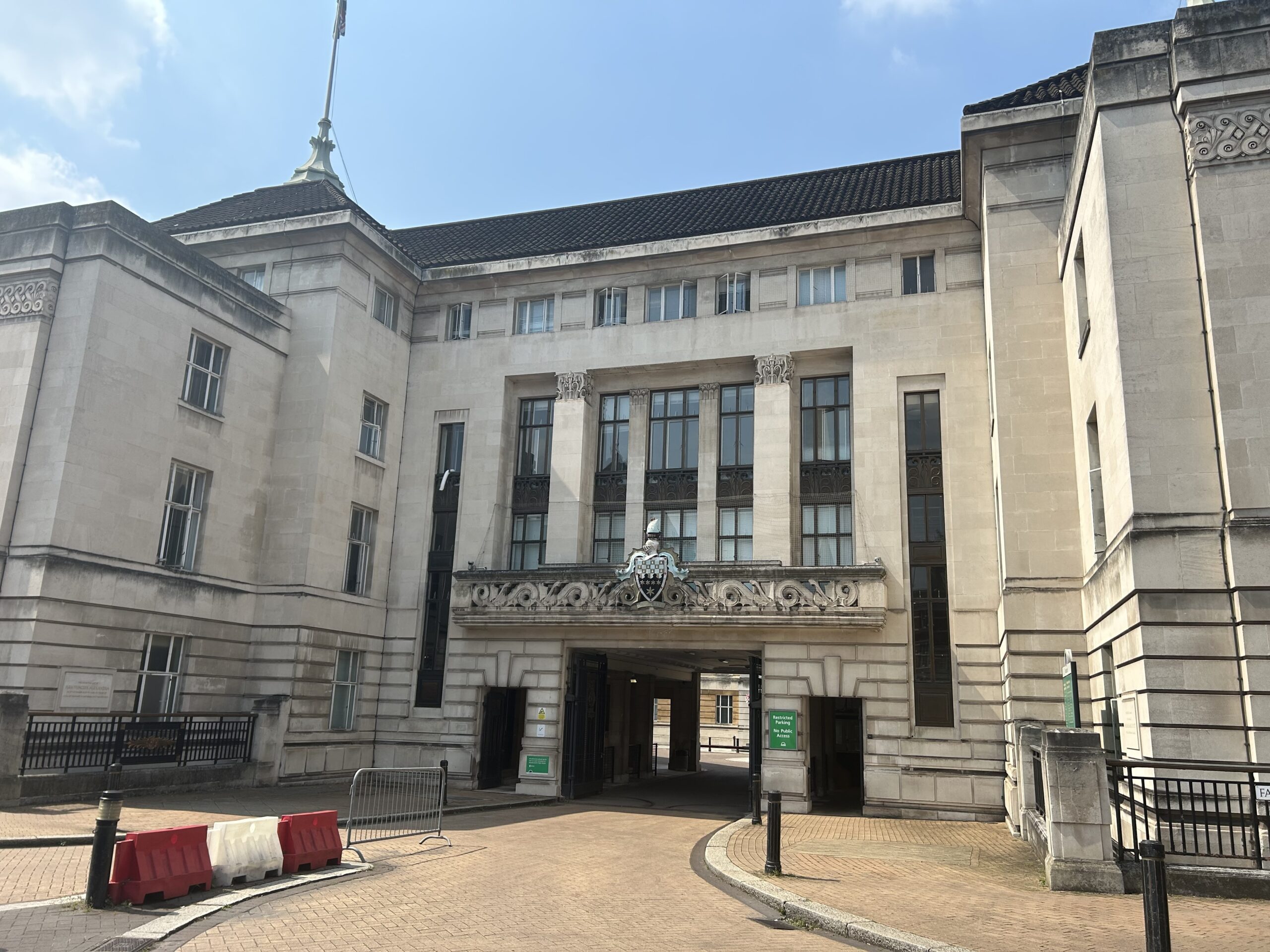
Wandsworth Council tenants are set to see their weekly rent rise by up to 4.8 per cent from April, which is the maximum allowed under government guidelines. The planned hikes are set to see 16,946 tenants paying an average of £7 more a week in rent, on top of service charges.
The proposals would see average rents for council tenants increase from £154.48 to £161.49 a week. The council said the hikes would generate an extra £6.2million for its Housing Revenue Account (HRA), which is a ringfenced budget setting out spending and income relating to its housing stock.
The council’s Housing Committee on Wednesday (January 21) heard how the authority is facing pressures due to rising costs, maintenance backlogs, increased building safety regulations and constraints on rent increases in recent years.
A report by council officers said the authority needed to increase weekly rents to make sure the HRA remains affordable. This will allow the council to maintain existing stock, according to the report, improve and expand services and deliver more affordable housing in the borough.
The authority is proposing to add another £242m to its HRA capital programme over the next three years, bringing its total budget to £758m from 2025/26 to 2028/29.
This will cover repairs and improvements to the council’s existing housing stock and the construction of new homes by regenerating estates, developing sites and buying properties. The authority’s Homes for Wandsworth scheme is on track to deliver more than 1,000 new council homes by 2029.
The report said: “Wandsworth, like the rest of London, continues to face a housing crisis. There is an acute shortage of social housing, with London boroughs spending over £5m a day on homelessness in 2024/25.
“Wandsworth has the second-highest rate of statutory homelessness in London, with annual spending on homelessness support rising to £60m (net of Government grant) in 2024/25 and rising. We have over 10,000 households on our housing waiting lists including more than 4,500 households, including families with children, living in temporary accommodation.
“Investing to build new homes for council rent is vital in tackling the housing crisis and getting Wandsworth families off waiting lists and into secure and comfortable tenancies.”
Housing associations and councils in England are allowed to raise their rents by up to 4.8 per cent for 2026/27. This is based on the Consumer Price Index (CPI) rising by 3.8 per cent in the 12 months to September 2024 with the ability to add 1 per cent on top.
The level of rent paid by a council tenant depends on the number of bedrooms in the property. The council has provided the planned changes in average weekly social and affordable rents for 2026/27 according to the size of the property in Wandsworth, which are summarised below:
- Zero bedrooms: £4.47 more per week, or 4.76 per cent
- One bedroom: £5.72 more per week, or 4.64 per cent
- Two bedrooms: £7.04 more per week, or 4.67 per cent
- Three bedrooms: £8.59 more per week, or 4.54 per cent
- Four bedrooms: £8.93 more per week, or 4.22 per cent
- Five bedrooms: £2.98 more per week, or 1.26 per cent
- Six bedrooms: £14.94 less per week, or 5.45 per cent
- Seven bedrooms: £7.94 more per week, or 3.14 per cent
Overall, the plans would result in an average rent increase of 4.54 per cent, or £7.01 a week, due to the current profile of rents in Wandsworth. Rent levels for council tenants in temporary accommodation at Nightingale Square and those living in properties with shared ownership agreements would also increase by a maximum of 4.8 per cent.
The planned rent hikes should not directly impact the household budgets of people in receipt of Housing Benefit or Universal Credit, who are not subject to the Total Welfare Benefit Cap. Support is available for those who do not receive benefits.
The report said: “This council is acutely aware of the ongoing impact the cost-of-living crisis is having on our tenants and residents and will continue to provide support (financial or otherwise) to those in most financial need where we can.”
The council is also proposing an average increase in non-residential charges, including garages and cycle lockers, of 3.8 per cent from April 6.
The authority’s Cabinet will vote on the plans on Monday (January 26), before the council makes a final decision at its budget meeting.