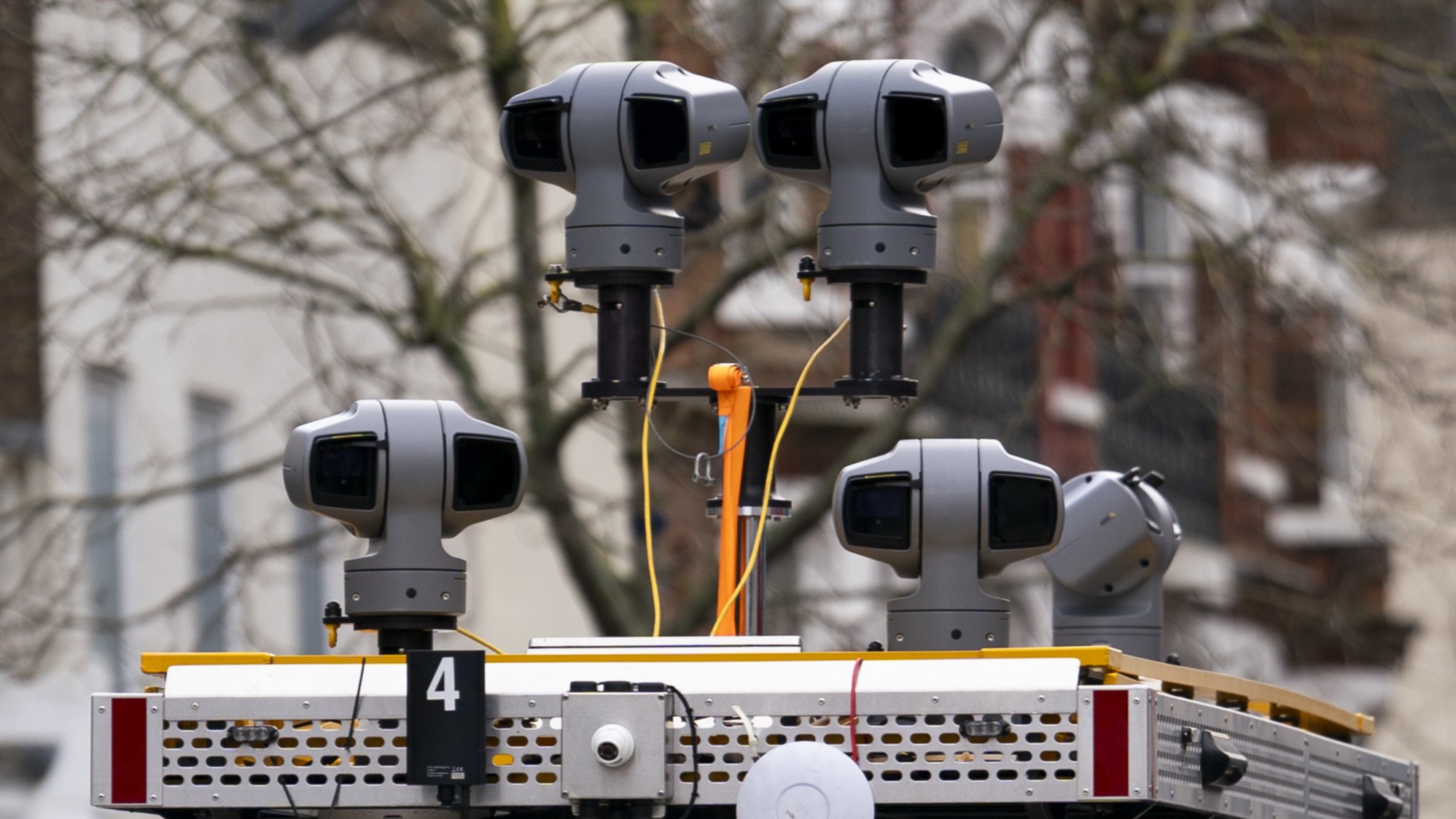
The Met Police must immediately halt their use of Live Facial Recognition (LFR) technology until proper safeguards and regulations are in place, a London Assembly Member has said.
After trialling the technology over the last decade, the Met have stepped up its use at large public events in London, including, controversially, at last year’s Notting Hill Carnival.
While campaigners claim the increased use of LFR contravenes basic civil liberties, the Met Police say it has helped “take more than 1,700 dangerous offenders off the streets since the start of 2024.”
Zoe Garbett, who represents the Green Party on the London Assembly, accused the force of “withholding data” around the perceived success of the surveillance.
In a new report published this week, Ms Garbett called on the Met to cease using LFR technology immediately and asked the Mayor of London to lobby ministers to introduce laws ensuring it will only be used for the “most serious crimes.”
She also demanded the force “publish the true financial and operational costs of all LFR deployments” and commit to ensuring future deployments are “free from bias”, referring to research showing the majority of 2024 operations took place in areas with higher-than-average Black populations.
Ms Garbett told the Local Democracy Reporting Service (LDRS): “What I’m concerned about and what I’ve heard is that it needs to be used in a safe, regulated way. It cannot come at the cost of other civil liberties.
“The EU have used it as a helpful tool but restricted it to certain settings. We need to make sure it is being used correctly.
“Until those safeguards are in place, we should not be using LFR. It’s about being measured with the use, but I’m concerned about how it is being used now.
“The Deputy Mayor has been clear that there are concerns around fair and regulated use, but has not gone further than that and backed some of the recommendations here.
“I would appreciate if she and the Mayor would take these concerns forward and champion these recommendations.”
In the report, Ms Garbett writes that the use of LFR flips the notion of “innocent until proven guilty” on its head.
“Facial recognition is a reversal of the presumption of innocence – the democratic principle that you shouldn’t be spied on unless police suspect you of wrongdoing,” the Assembly Member said.
“Walking down a street in London and having your face scanned and compared against a list of wanted people is essentially being part of an identification parade.”
She also claimed that it was being “disproportionately” used in areas have more people of Black, Asian or Mixed ethnicities than the London average.
Currently, there is no specific law that allows the use of LFR technology, meaning that there are no guidelines on how to regulate it and what settings are appropriate for its use.
The Met Police is facing a legal challenge in the High Court from campaigners who worry about it being rolled out further without adequate safeguards in place.
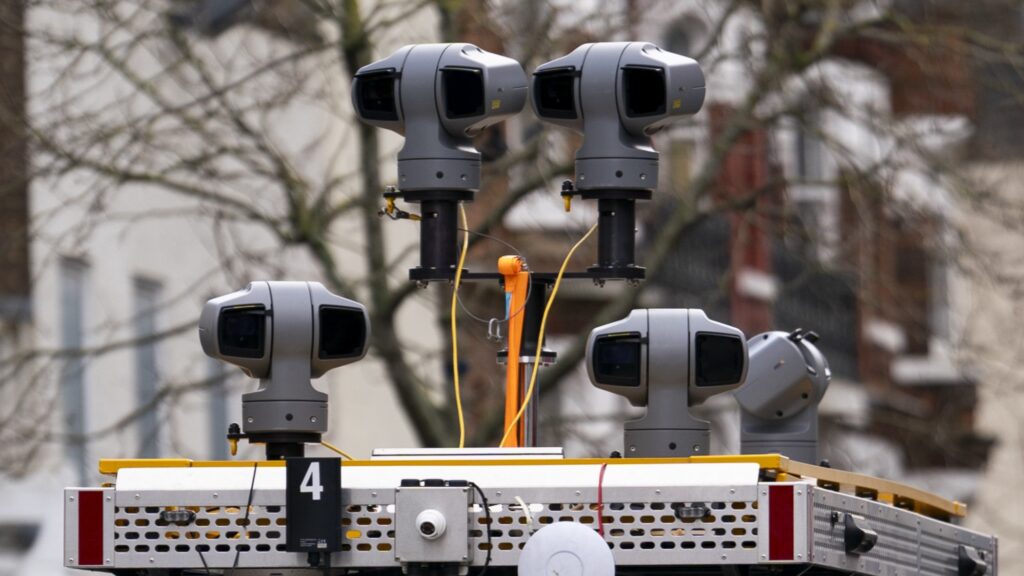
However, Home Secretary Shabana Mahmood has announced plans to expand facial recognition to police forces across England and Wales, despite an ongoing consultation. The proposals would see the number of facial recognition vans would be increased from 10 to 50, and be made available nationwide.
The Mayor of London has previously backed the use of LFR, suggesting it “plays a vital role in supporting the Metropolitan Police Service (MPS) to prevent and tackle crime and keep London’s communities safe.”
However, he vowed to continue monitoring whether “deployments are legal, ethical and effective, while maintaining public trust.”
A Met Police spokesperson told the LDRS: “Live Facial Recognition has taken more than 1,700 dangerous offenders off the streets since the start of 2024, including those wanted for serious offences, such as violence against women and girls.
“This success has meant 85 per cent of Londoners support our use of the technology to keep them safe.
“It has been deployed across all 32 boroughs in London, with each use carefully planned to ensure we are deploying to areas where there is the greatest threat to public safety.
“A hearing into our use of Live Facial Recognition has taken place and we look forward to receiving the High Court’s decision in due course. We remain confident our use of LFR is lawful and follows the policy which is published online.”