Falls Short of Its Promise
I went into this show hoping to uncover a piece of queer history that had somehow escaped me – a gritty insight into the protests of the 1980s, the challenges of establishing an all-women’s garage, and the legacy it left behind. As the production is based on a true story, I anticipated a work with documentary depth, a thoughtful narrative interwoven with music. Instead, what emerged felt more like a checklist of social talking points from life under Thatcher’s government, inserted wherever they might, writes Luigia Minichiello.
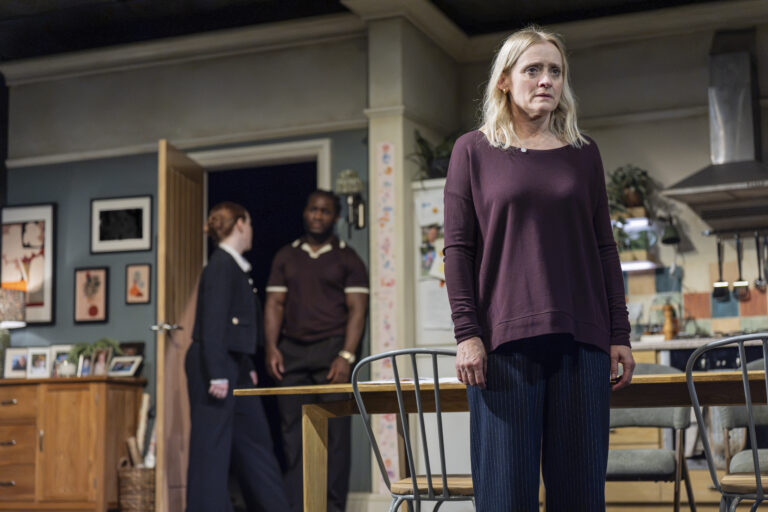
The characters lacked emotional depth and credible representation. A fleeting attempt to acknowledge racism appeared in a single throwaway line, when the only Black character, Terry, was forced to tolerate apprentice Dipstick’s remark: “I have to tread on eggshells with you.” It’s 2025, we can and should expect better writing around race, even when a story is set in the 1980s.
That said, there were some humorous moments. The “job creation” sketch evoked clear memories of the YTS schemes of the era, and quips such as “If we can’t fix a car on the third attempt, we’ll call the AA”, landed perfectly. One standout comic moment came when Dipstick inspected a VW Beetle for a potential buyer, only to advise against the purchase because “it doesn’t have an engine.”
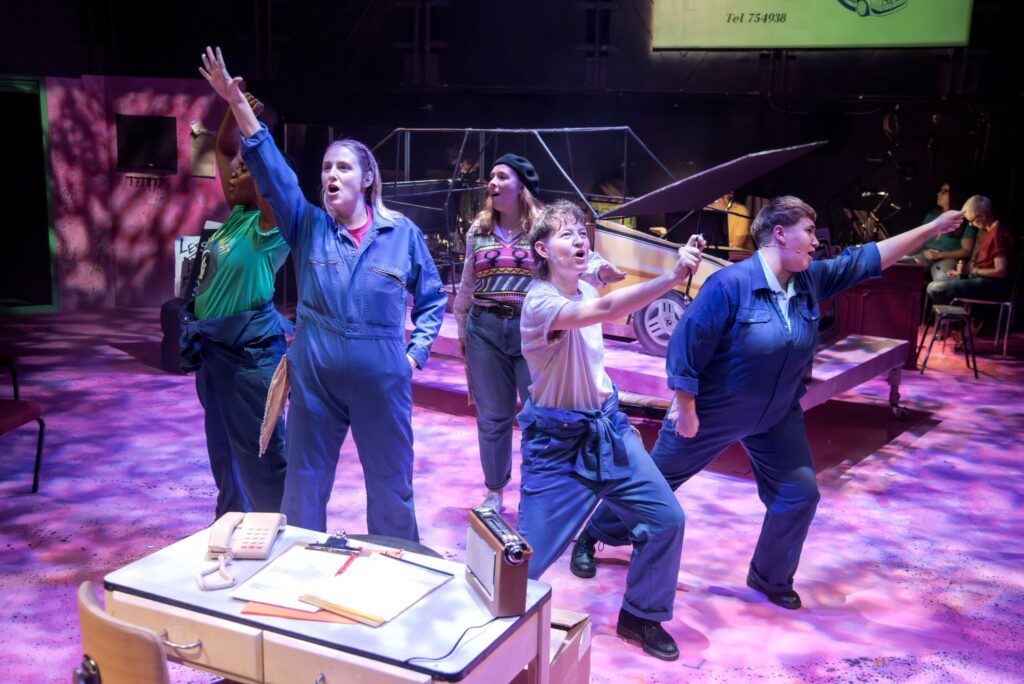
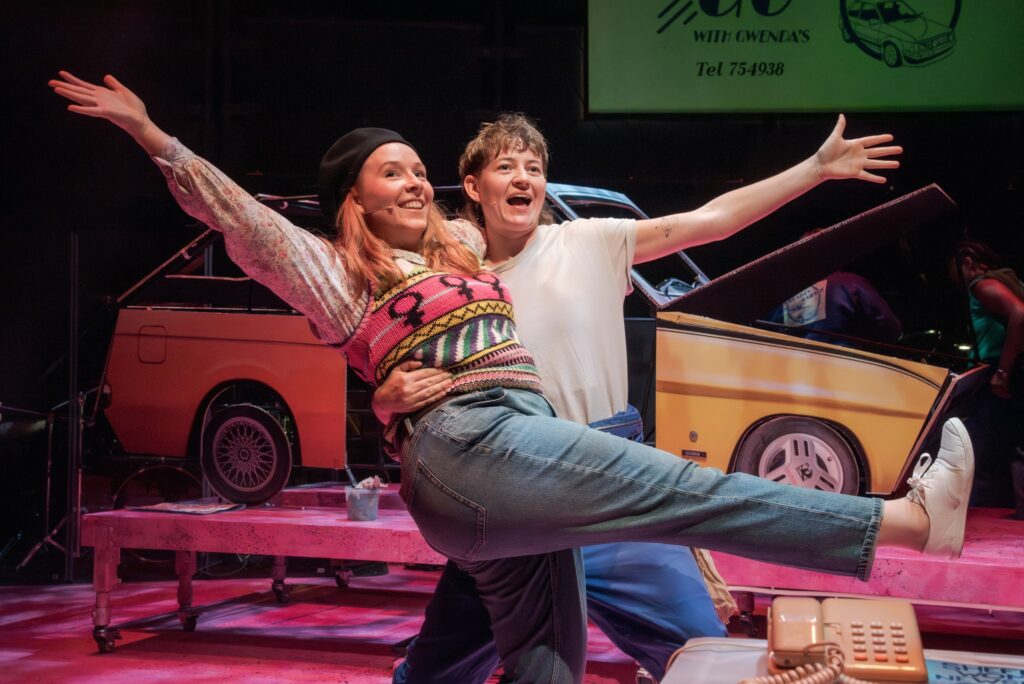
All the familiar figures were present, straight women discovering their sexuality, closeted gay characters, sperm donations, and the challenges of fostering as a queer person. These themes carried real dramatic potential, yet not every one needed to be turned into a song-and-dance routine. Some musical numbers, however, did succeed, notably the ensemble performance of Get Your Hands Dirty and Eva Scott’s moving solo, Holding It Together, as Carol, which proved a genuine highlight.
Unfortunately, the wheels truly came off in the second half, which lost both focus and energy. “Meet Me on the Bridge” leaned more towards cringe than commentary, and the show appeared to abandon its earlier promise. It failed to explore a rich and significant chapter of queer and feminist heritage with the depth it deserved.
Overall, I had hoped for a well-crafted, thoughtfully written play with music woven through it, rather than one built around the songs.
Gwenda’s Garage takes its name from Gwenda Stewart, a pioneering and record-breaking racing driver of the 1930s. The real-life garage was founded by three female mechanics who, unable to find work in a male-dominated industry, created their own space. Their legacy continues through WEST — Women in Engineering, Science and Technology — which inspires women to pursue non-traditional careers (www.westskills.org.uk).
Southwark Playhouse until November 29th.
Booking and full details: https://southwarkplayhouse.co.uk/productions/gwendas-garage/