‘Wild and Naughty!’
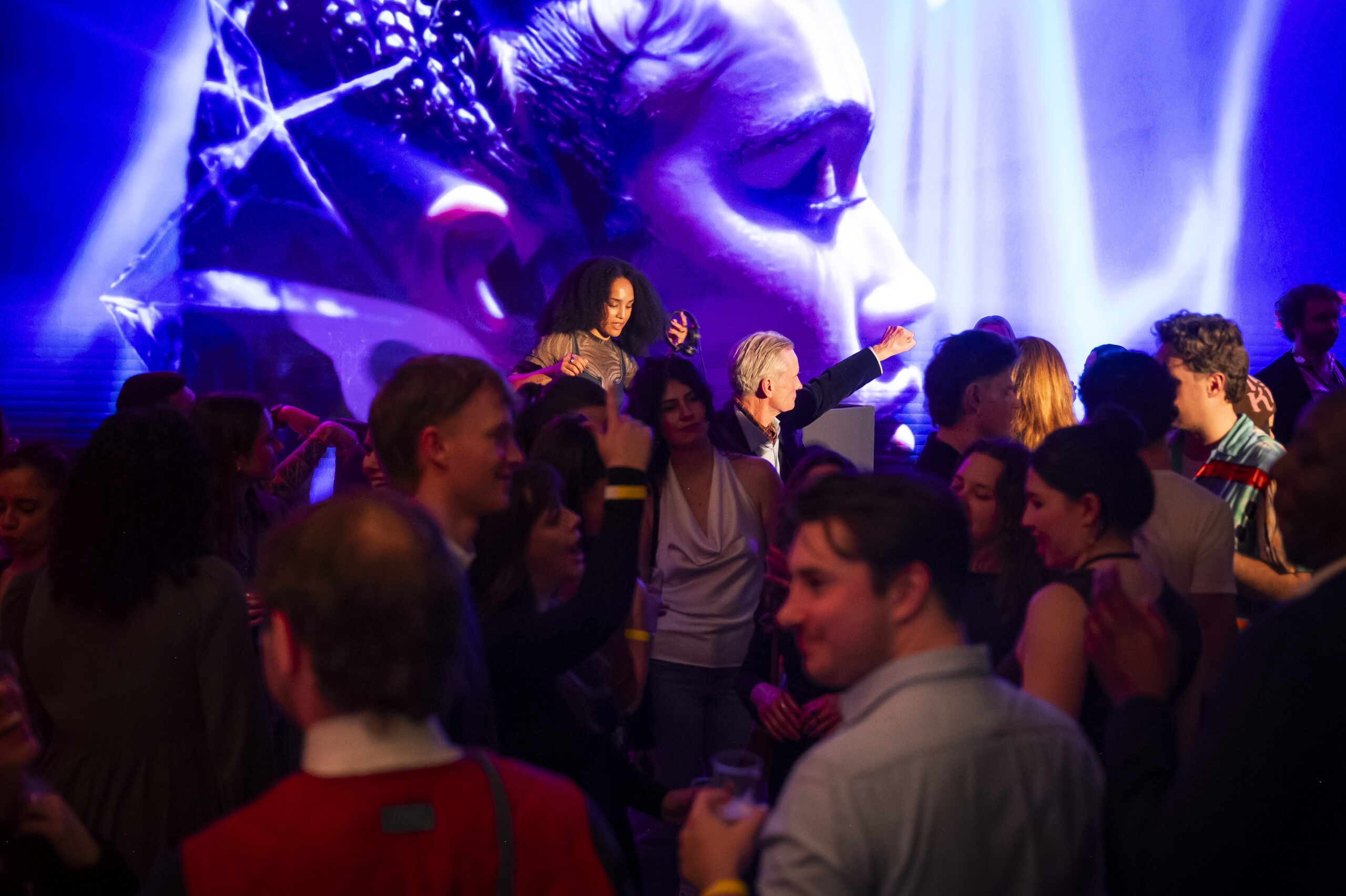
One of London’s oldest art institutions was temporarily reframed last week when three DJs took over the Sainsbury’s Wing of the National Gallery. The late-night event, Party After Dark, formed part of London’s annual free Art After Dark programme, with high-energy, bass-filled sounds reverberating through the historic building long after the gallery closed for the day, writes Evie Flynn.
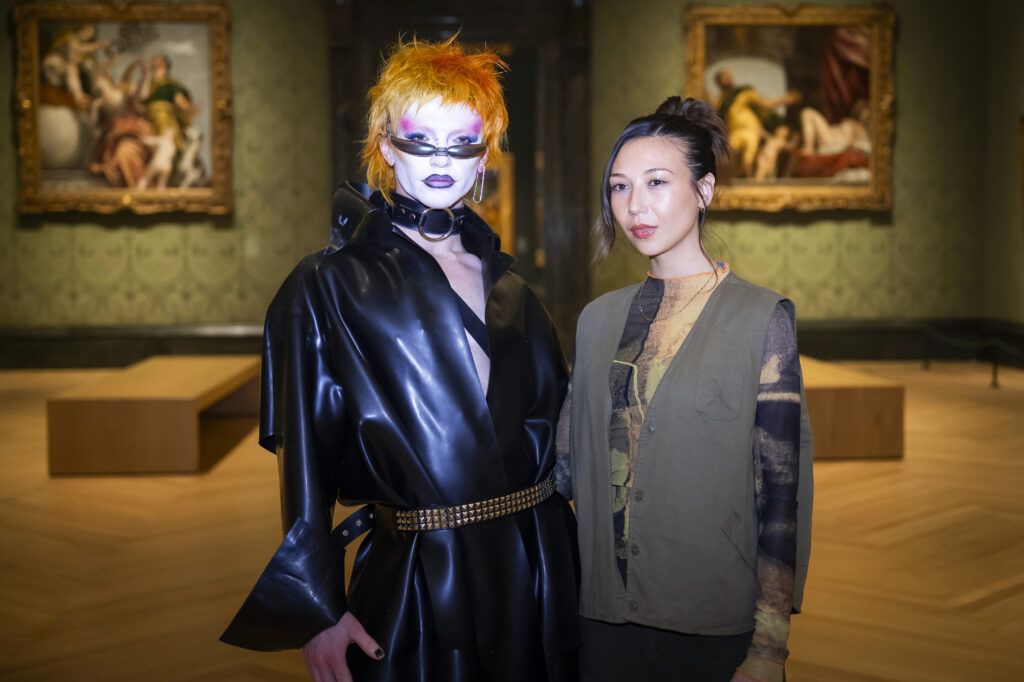
The night began with rising talent Mia Lilly, whose set gradually warmed the space, followed by French-Canadian artist DJ Karaba, who introduced a more rhythmic, club-oriented energy. The main event was Bimini Bon-Boulash, a drag performer and television icon who brought theatrical flair, confident stage presence and an unmistakable sense of spectacle to the otherwise formal surroundings.
Bimini said: “Performing in the National Gallery after hours was surreal – seeing people dancing under those massive ceilings felt wild and so naughty- not a space you expect to hear bass rumbling through, and that’s what made it so fun. Tonight showed how easily art and club culture can blend when you let them, and how much energy that brings out in people”.
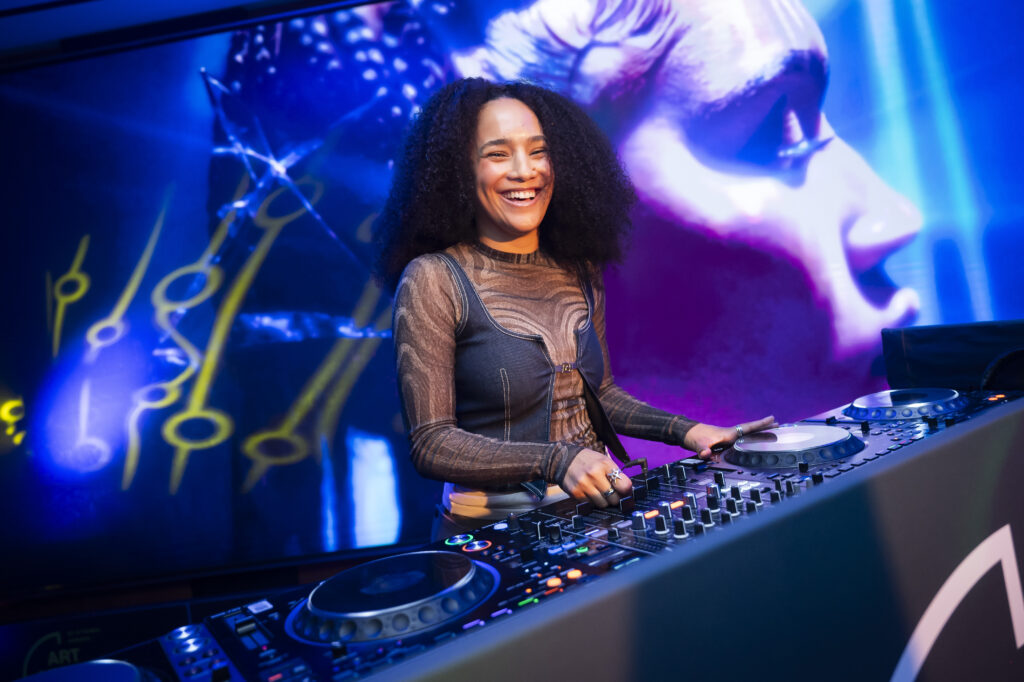
The Sainsbury’s Wing, a large building adjacent to the main gallery and typically the primary point of entry for visitors, served as the sole setting for the evening. Its scale and architecture were undeniably spectacular. A small stage and DJ decks were positioned in one corner of the vast foyer, while the rest of the space filled quickly with attendees. The stage did look rather small in comparison, but as soon as the acts appeared this notion was squashed.
Despite the festival’s title suggesting an art-led experience, guests were not permitted access to the gallery itself. This proved a point of contention for some attendees, particularly as the whole programme promises to have art at its centre. While the grandeur of the foyer was stunning in its own right, the restriction meant the night felt more like a DJ event set adjacent to art rather than engaging with it. The promise of Art After Dark appeared to rest more on atmosphere than on direct interaction with artworks, leaving the concept feeling underwhelming.
Elsewhere, an installation in the centre of busy Piccadilly Circus offered a visual counterpart to the event, nodding subtly to the disco era of the 1980s and 1990s. Lakwena Maciver’s bold seven-metre installation, Rise & Shine, was designed to celebrate music, colour, joy and collective experience in public space. Although the structure was not illuminated as intended when I visited, the vibrancy of the colours and the ambition of the concept remained stirring.
Ultimately, Party After Dark relied heavily on its location and headline names. While the energy was high and the setting was impressive, the event struggled to fully deliver on its artistic promise.
Full details of festival: https://artoflondon.co.uk/artafterdark