Croydon Council has no central system for tracking the borough’s long-term vacant buildings and stalled development sites, a Freedom of Information (FOI) response has revealed.
The disclosure has raised fresh concerns about Croydon’s regeneration efforts, with community activist Graham Mitchell, who submitted the request, saying: “You can’t manage what you can’t clearly see.”
The recent FOI response confirmed the council does not operate any standalone process to identify empty properties or paused construction projects across the borough. Furthermore, it revealed council officials do not currently maintain any internal lists, dashboards, or schedules to track the neighbourhood impact of these incomplete projects.
Without this centralised system, the council currently relies on a more ad hoc approach to identifying unused spaces and abandoned plots. Information is instead pieced together through a combination of returned post or lack of contact from ratepayers, on-the-ground intelligence from officers, and communication between separate departments such as housing, planning, and environmental health.
Once a property is identified as vacant, it is added to the council’s monitoring system and reviewed each year. However, the lack of proactive tracking means decision-makers, including senior officers, cabinet members and government-appointed commissioners, lack a comprehensive assessment of vacant or stalled sites.
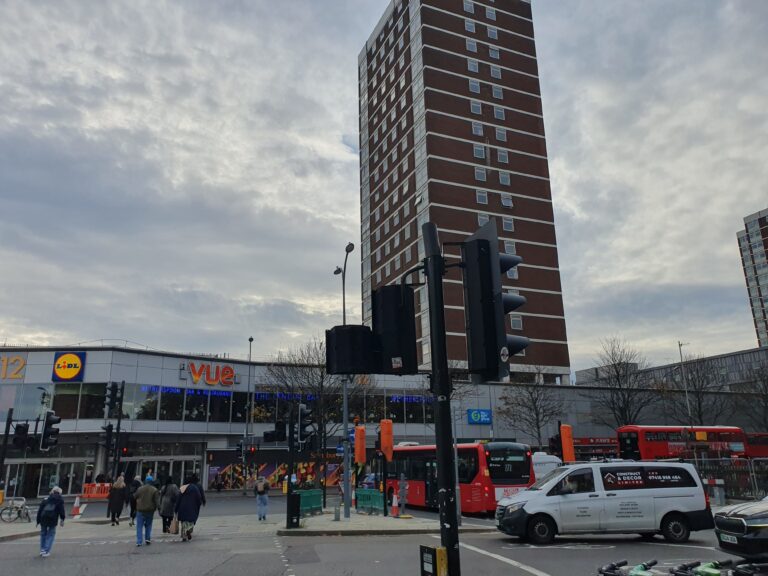
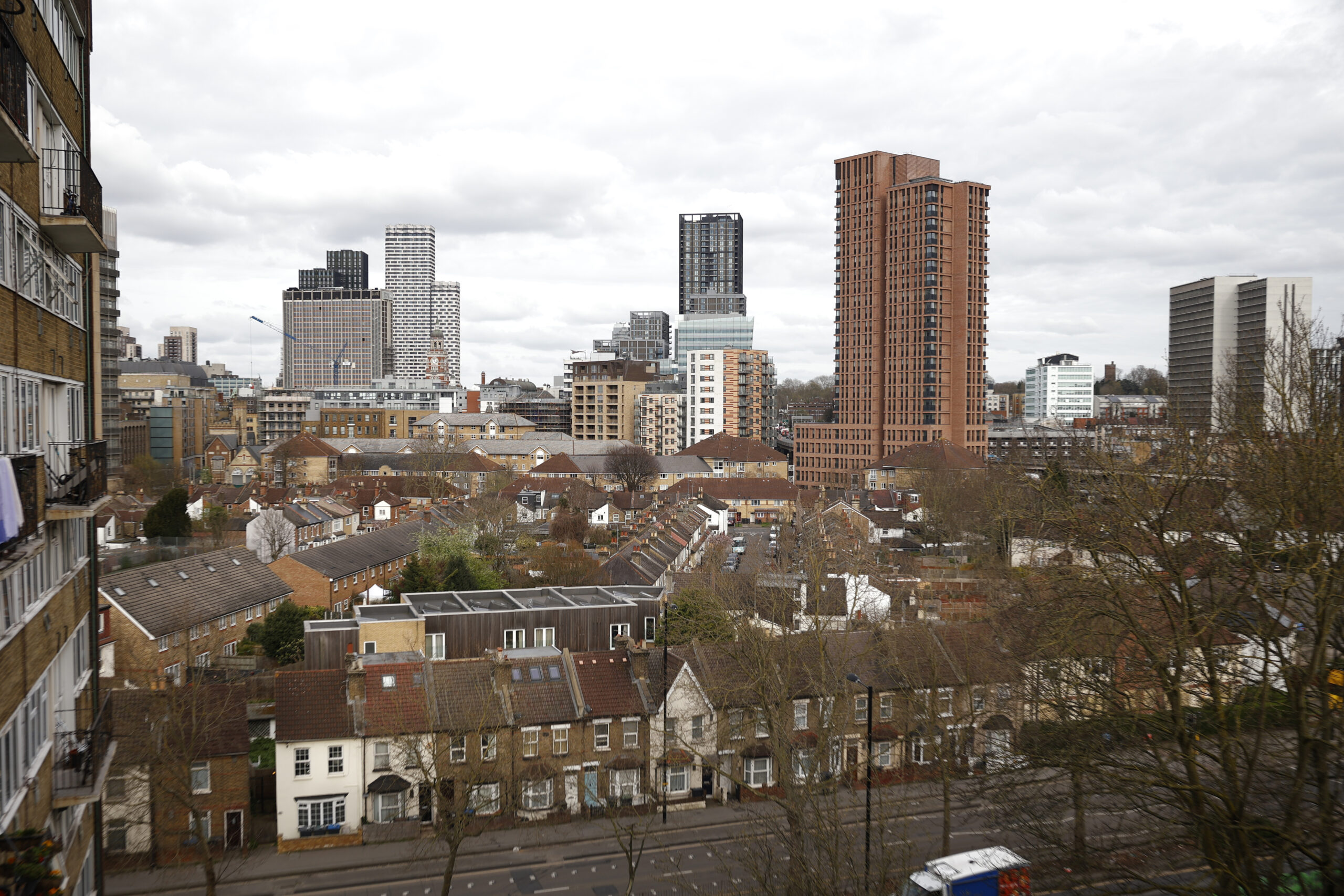
Croydon’s stalled development sites became a major talking point during the recent local election, with candidates from across the political spectrum referencing them repeatedly during their campaigns. Particular frustration focused on prominent sites such as the old Nestlé building (St George’s Tower), as well as the borough’s less visible empty plots.
Back in March, Mayor Jason Perry told the Local Democracy Reporting Service (LDRS) that kick-starting development on stalled sites would be a focus of his next four-year term.
When asked how he would achieve this, he told the LDRS: “I would carry on doing what I am doing, which is building those relationships with developers and partners in the town centre.”
However, for Graham Mitchell, who unsuccessfully stood as an independent candidate in Bensham Manor ward, the lack of a centralised system to track stalled sites makes it harder to plan improvements in the town centre.
He told the LDRS: “You can’t manage what you can’t clearly see. In practical terms, it makes it harder to build a clear borough-wide picture of where development is stalling and why, and that in turn makes it more difficult to track progress or prioritise action.”
Emphasising the broader community impact of the issue, Mr Mitchell added: “These sites affect housing delivery and the look and feel of local areas, so having a clearer, joined-up view would be a useful step in helping bring them forward.”
Despite this, the council says it is now taking steps to address the knowledge gap. A spokesperson for Croydon Council told the LDRS: “We are working on a major project with Homes England that is identifying stalled sites in Croydon and how these can be brought back into use or redeveloped. Funded by Homes England, this will have significant and lasting benefits for our borough.
“We continue to monitor long-term empty buildings, which are reviewed each year to confirm their status, ensure records are accurate, and support our wider work across regeneration and housing services aimed at bringing long-term vacant buildings back into use.”
They added: “As this analysis is ongoing, we are not currently able to share the details; however, we look forward to sharing next steps once the commission is complete.”