Croydon is one of the strictest local authorities in the country for landlords seeking to create Houses in Multiple Occupation (HMOs), according to new planning data.
The figures show the South London borough rejected nearly two-thirds of all HMO planning applications, placing it among the most restrictive councils in England. This comes as Croydon faces an ever growing need for housing, with around 8,600 households currently on the borough’s waiting list.
Data from Planning Lens’s ‘The HMO Squeeze’ report revealed that Croydon Council processed 405 HMO-related planning applications between 2021 and 2025, making it the ninth busiest local authority in England for such decisions. Yet, despite the high volume of applications, the council refused 266 of them — a rejection rate of 65.7 per cent.

That figure puts Croydon alongside a small group of London boroughs taking a much tougher stance on the conversion of homes into shared accommodation. Waltham Forest, Brent, Barnet and Haringey are the only other high-volume councils refusing more than half of their HMO applications.
A Croydon Council spokesperson said the authority only approves HMOs that “provide high-quality accommodation and fit with local planning policy”.
Croydon’s refusal rate is significantly higher than that of many busy authorities outside London, where approvals are far more common. Leeds, for example, determined 904 applications over the same period and refused 21.6 per cent of them, while Portsmouth made 771 decisions and rejected just 13.6 per cent.
The report, which analysed planning data from 144 English local authorities, also found that while the number of applications decided nationally rose by 87 per cent over four years, approval rates steadily declined.
Experts at Planning Lens attribute much of that decline to the conversion of existing homes into HMOs, a use class where refusal rates have been rising across the country. Croydon Council introduced an Article 4 Direction in 2020, requiring planning permission for new HMOs in an attempt to curb such conversions.
This approach, now increasingly adopted by councils across the country, removes permitted development rights and requires landlords to secure full planning consent instead.
HMOs provide a relatively affordable housing option, particularly in urban areas such as Croydon, where demand remains high. However, concerns can arise when properties are poorly managed, including overcrowding, substandard living conditions and safety issues.
The Local Democracy Reporting Service (LDRS) regularly covers planning stories involving HMOs in the borough, including the recently approved conversion of a former South Croydon GP surgery into an 11-bedroom HMO.
Planning consultant Mark Broome of Planning Lens told the LDRS how Croydon’s approach stands out from that of many other councils. “Croydon is one of the busiest HMO councils in the country, yet it refuses nearly two-thirds of applications. That’s the opposite of what you’d expect.
“Almost every other high-volume council approves the vast majority. Croydon, together with a small cluster of London boroughs, is taking a much harder line on shared housing than the national picture would suggest.”
A Croydon Council spokesperson told the LDRS: “Croydon welcomes a range of housing types, including HMOs where they are in the right location and meet planning policy. However, we also have a responsibility to protect family homes and safeguard the character of established residential neighbourhoods.
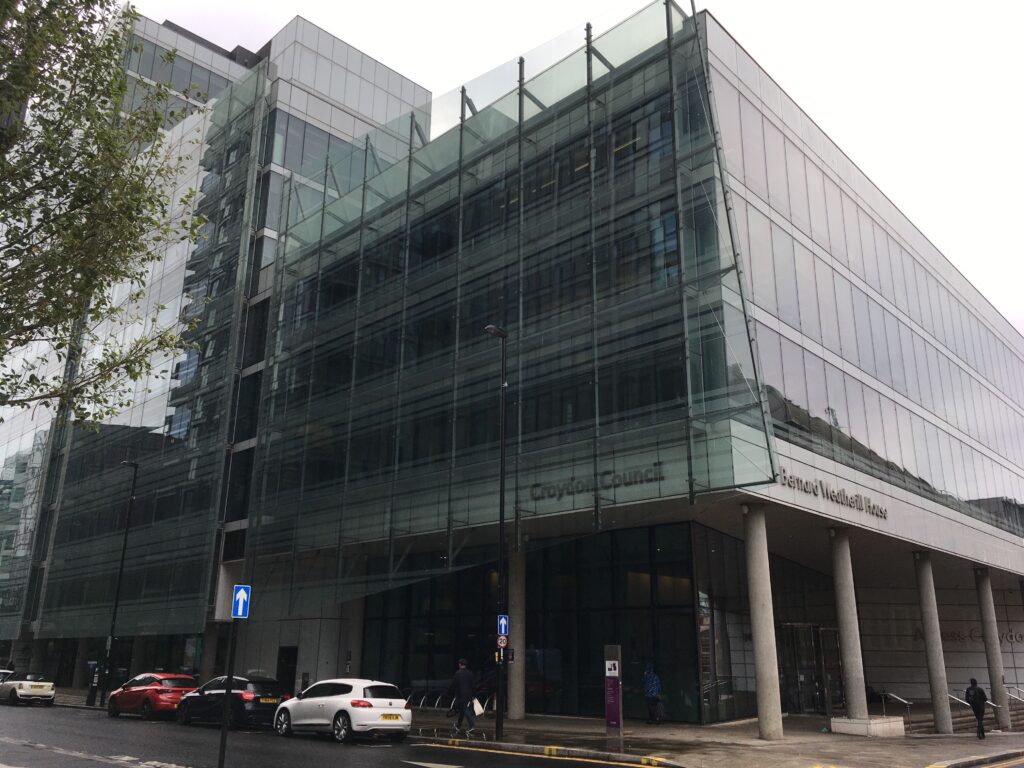
“Every application is considered on its merits. Where proposals provide high-quality accommodation and fit with local planning policy, they can be supported. Where they would lead to an over-concentration of HMOs or harm the character of an area, under our Local Plan Partial Review, they would not.
“Executive Mayor Jason Perry’s priority is ensuring Croydon remains a place where people can find a suitable home while protecting the neighbourhoods that residents are proud to call home.
“Alongside our planning policies, Croydon is introducing landlord licensing schemes, helping to drive up standards in HMOs and other privately rented homes, ensuring tenants have access to safe, well-managed accommodation.”