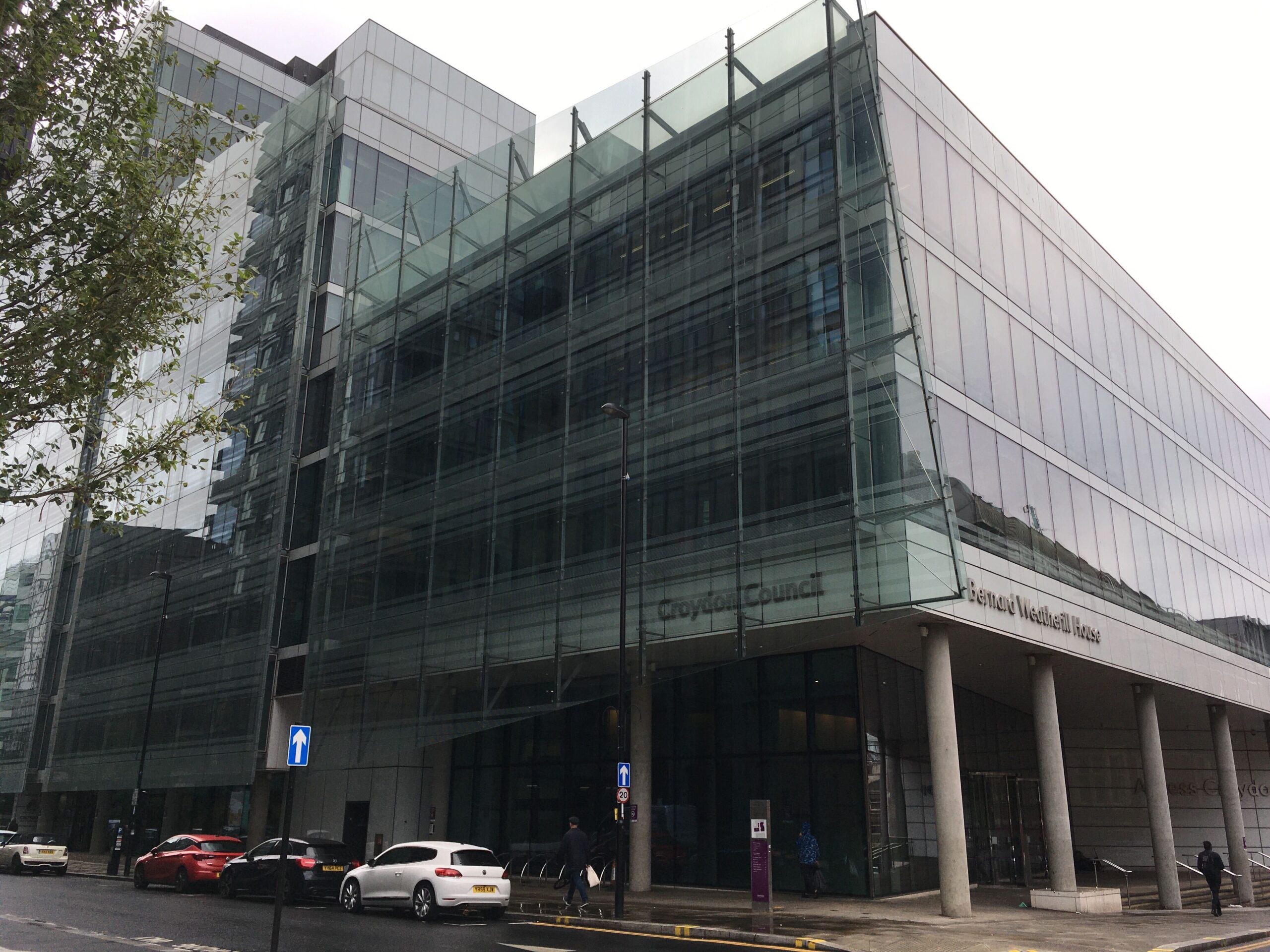
Croydon Council will have to revise its annual budget for the coming year because it faces a potential £10million refund bill for unlawful traffic fines.
A landmark court ruling found six of the authority’s Low Traffic Neighbourhood schemes (LTNs) were unlawful, meaning they have to be removed and driver penalties refunded. The knock-on effect to Croydon’s 2026/27 budget is significant as the cash will need to be found from somewhere.
The controversial LTNs were removed earlier this month following a High Court ruling that found the council had unlawfully introduced the schemes to help plug its finances, rather than for road safety or environmental reasons. The council has said it will not appeal this decision, describing an appeal as a “poor use of public funds”.
In its first public discussion since the ruling, the council revealed it could now be forced to repay a total of £10m in fines issued to drivers under the LTN schemes since their formal introduction in 2024. At a Scrutiny and Overview Committee meeting on Tuesday (March 24), members heard the authority expects to lose up to £7.5 million in income this coming year from the fines it would have collected.

Credit: Harrison Galliven
It also anticipates a further £2.5m-£3m in lost income in the following financial year, meaning it must now rethink its budget. However Councillor Jason Cummings, Cabinet Member for Finance, noted: “We are in a position now with a significant underspend that we currently have where that’s not going to push us over the top in our budget.”
The council’s newly appointed Section 151 officer (Chief Financial Officer), Conrad Hall, told the chamber that although the lost income from the now-quashed schemes will require adjustments to financial plans, he reassured councillors that the loss will not affect Croydon’s stabilisation plan—the framework guiding the borough’s cost-saving strategy.
He also noted that the council now expects to be making fine repayments for several years, before adding: “It is likely that after a few months the significant majority of claims will have been received.”
Cllr Cummings also used the session to defend the Conservative council’s actions, arguing that the judge’s unprecedented ruling could not have been foreseen.
In his High Court ruling, Justice Pepperall concluded that the primary purpose of the schemes was to raise revenue, a finding that was shaped in part by public statements made by Croydon Mayor Jason Perry.
Cllr Cummings told the chamber that Mayor Perry’s statements—in which he admitted he could not remove the schemes due to over £20m of future camera enforcement income built into the budget by the previous administration—had been reviewed and signed off as low risk by the council and its legal team. “It was not said off the cuff,” he told members.
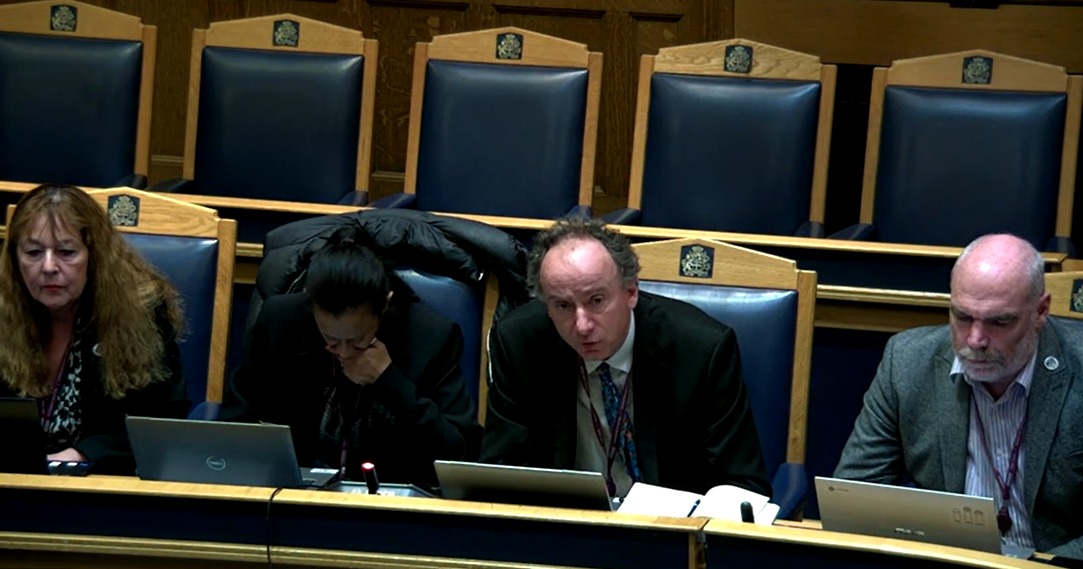
He added: “What is unusual about the judgement that was made was that it didn’t query the decision-making process made by reports or the decision-making process that took place in Cabinet. It went to public statements around some of the thinking that was going on in terms of getting to the point where some of those decisions were being made.”
He went on to say: “That’s quite a departure from normal legal cases that look at council decision-making processes, but the judge was free to make that interpretation.”
Committee Chair Leila Ben-Hassel suggested the council had failed to properly assess the legal risks before the LTN decision. She said that the fact it was not included on the risk register represented a council oversight and emphasised the need to ensure such an incident does not happen again.
However, Vice Chair Alasdair Stewart dismissed this, arguing “it would be incorrect to say it was a failure”. He reiterated that the council had been advised the risk was low and could not have foreseen the judge’s unprecedented ruling.
Later in the meeting, Conservative Councillor Mario Creatura pressed Cllr Cummings on whether the council was considering changes to other traffic-calming policies in the borough in light of the ruling. In response, Cllr Cummings said: “I have to be very, very careful here.”
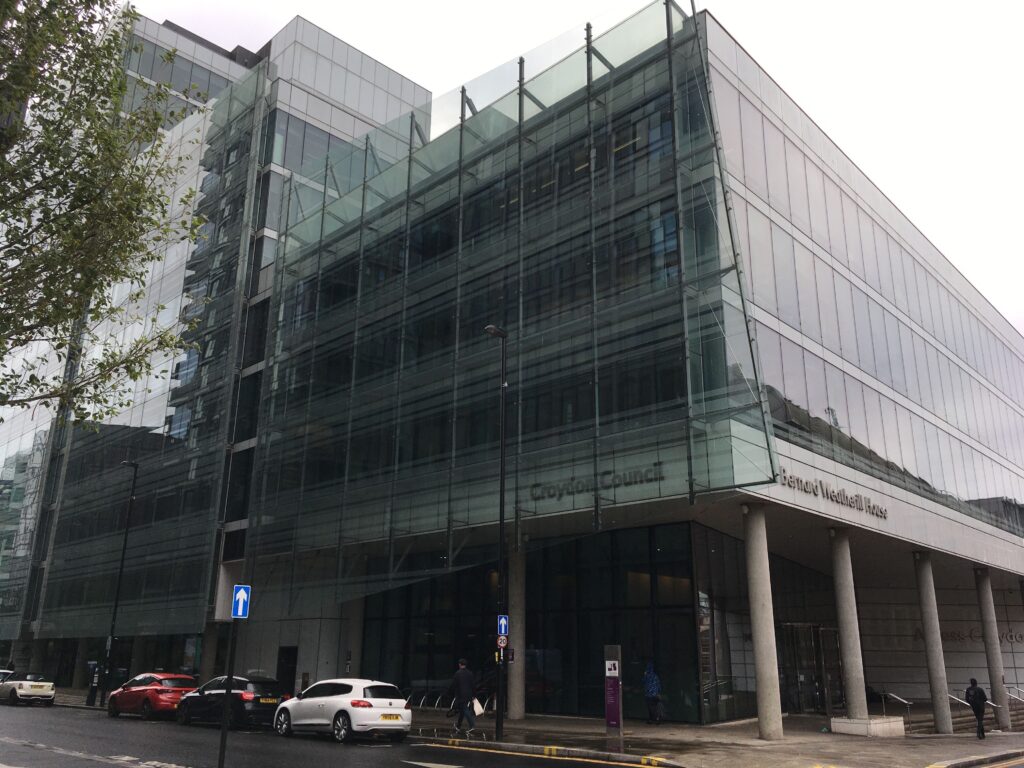
He then added: “There is not going to be a whole load of other parts of the road management network that are going to suddenly be changed off the back of this.”
Cllr Cummings also confirmed that the council will not seek to replace the LTNs through other traffic calming means.
Croydon Council is now encouraging drivers who were fined on the Albert Road, Dalmally Road, Elmers Road, Holmesdale Road, Parsons Mead and Sutherland Road LTN schemes to seek a refund. The council has contacted residents where email addresses are held and has launched a new online claim form.