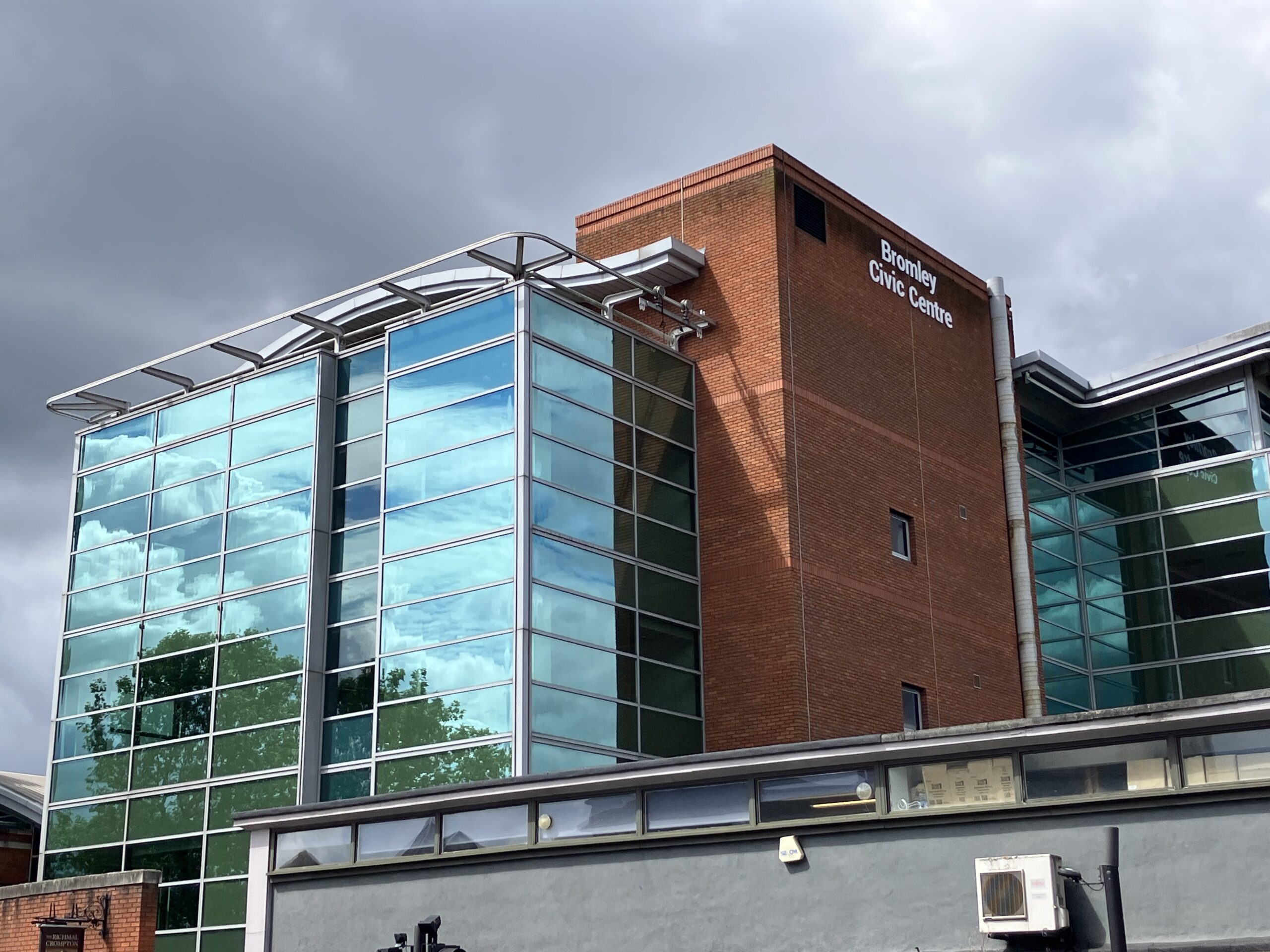
Bromley Council is set to raise its council tax by 4.99 per cent and spend £26.4m of its reserves to balance next year’s books. The South London authority continues to lay blame at the Government’s feet for the financial position it finds itself in while the average household will be paying nearly £100 extra for next year’s council tax bill.
In a report going before Bromley Council’s Executive tomorrow evening (February 11), officers have laid out plans on how it intends to deliver a balanced budget for 2026/27, as well as details of further budgetary pressures the council will face in the coming years.
Bromley predicts it will have a budget gap of £43.3m in 2027/28, stretching to £61.1m in 2028/29, primarily due to the ever-increasing cost pressures of adult and children’s social care and a reduction in central Government funding. The council believes that as a result of the Government’s Fair Funding Review, it will lose over £30m per year by 2028/29, allowing for inflation.
The council report states: “It was originally hoped that the Government’s Fair Funding 2.0 Review would provide a fairer (and higher) level of funding for the council. The funding formula used for additional grant funding in the 2025/26 settlement disadvantaged the council compared with the previous formulas by around £3m.
“The outcome of the Government review, which is effectively a redistribution of grant funding, results in significant losses for the council. The outcome also has an underlying expectation that additional funding required may need to be met by significant council tax increases to fund services, whilst council tax levels remain below the national average.”
For residents, the proposed 4.99 per cent increase—which is the maximum amount the council can increase its tax before calling a referendum—will be combined with an increase of the GLA precept which contributes to TfL, emergency services and other citywide public resources.
Mayor Sadiq Khan intends to increase the GLA precept by 4.1 per cent, so combined with Bromley Council’s 4.99 per cent increase, this means Bromley residents will be paying 4.78 per cent more council tax than last year. For a Band D property, this will see their payments rise from £2,042.46 last year to £2,140.04 in 2026/27, an annual increase of £97.58.
The council also predicts it will save nearly £30m as part of its ‘Transforming Bromley’ savings project. These savings include acquiring 15-year leases for up to 300 residential units to reduce the reliance on costly temporary accommodation, realigning six Children and Family Centres and four Youth Hubs into four integrated Family Hubs, and conducting a comprehensive review of how the council delivers its adult social care services.
But despite these proposed savings and the increase in council tax (which will raise £10.5m), Bromley fears it will still have a shortfall of £26.4m next year. It will have to use its reserves to plug this gap.
Over the last two years, Bromley will have spent £77.6m of its reserves, primarily to balance the last two budgets. This will see Bromley’s earmarked reserves fall from £192m to £114m, while still retaining general reserves of £20m. The council predicts its earmarked reserves will decrease to £62.7m by the end of 2028/29, excluding the use of any reserves required to meet its budget gap from 207/28 onwards.
The report stated: “Without any action to address the budget gap in future years, reserves will need to continue to be used with the risk of the budget gap increasing in future years and becoming unsustainable.”
Bromley’s council tax proposals will go before the Executive tomorrow, where members will vote on whether to progress the plans to full council at its budget meeting on February 26.