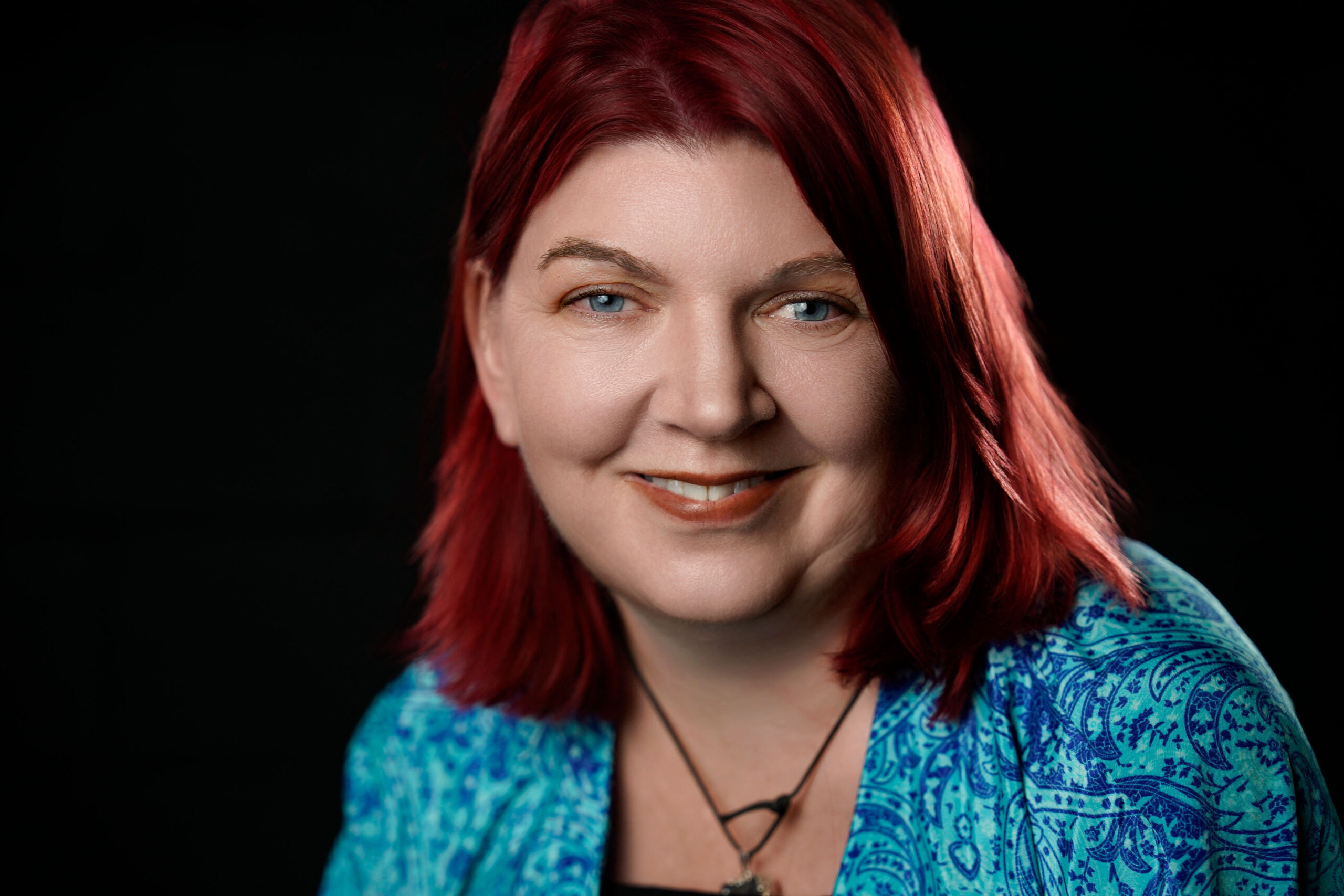
Melissa Vardy moved to Southwark in 2003 to be closer to Middlesex University where she was studying criminology, and to get out of Stevenage where ‘it wasn’t a great place to be queer’… Melissa had just come out and found that Peckham had a ’strong LGBTQ ethos’, writes Michael Holland.
The 22-year-old had severe dyslexia, which proved too troublesome when writing essays: ‘I found it difficult to organise my thoughts and put them on paper,’ she tells me, adding how she keeps repeating herself, misses words out, uses the wrong suffix, and has ‘dreadful spelling…’ After a year, Melissa found it all too stressful so dropped out, and that opened up a whole range of other problems when she lost her grant and student loan. ‘I survived by working on a market stall, earning three pounds an hour. In the evening, I collected old travel cards and sold them at the tube station. The baker where I lived also gave me his stale bread at the end of the day… It was all very Dickens!’
Living like this did not break Melissa but made her stronger: ‘The following year I returned to university, determined to complete my degree.’ That determination meant Melissa had to find her own system for learning: Recording seminars and lectures, typing up her notes, getting extensions on essays; a supportive staff ensured she had someone to type the answers in her final exams. Looking back, Melissa realises she had ‘imposter syndrome’.
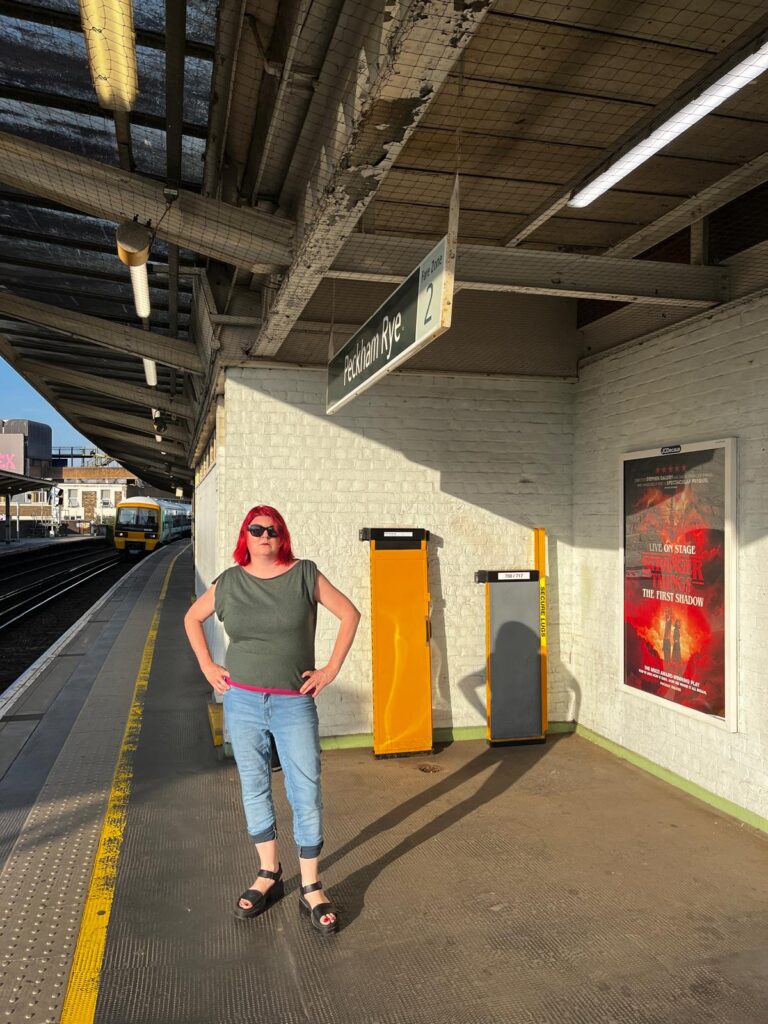
I asked why she had chosen criminology and her answer made me laugh out loud when she went on to explain that she was involved in demonstrations and the animal rights movement. A decade as a hunt saboteur meant she saw friends arrested regularly; ‘Sometimes for trespassing, other times they had broken no laws at all… We were also attacked by hunt security (heavies), and though we were often badly hurt, they rarely got arrested, even when they were breaking the law in front of the police.’ Melissa saw friends go to prison and the Criminal Justice Act became law. ‘People could be arrested just for going to raves, which I loved. And under the Act, squatting and demonstrating also became more difficult.’
Studying Criminology gave Melissa a greater insight into: the law and its history, into ways to reduce offending, alternatives to prison, and violence against women, but she never made a career out of her degree. Throughout her twenties she did many different jobs – ‘I wasn’t very good at any of them!’ she laughs.
Noticing a big national drive to recruit teachers, she considered it as an option. ‘I am a very social person and enjoy talking to children; I have been told I have a natural affinity with them.’ A degree was required to enrol on a PGCE, so Melissa’s degree enabled her to become a teacher… ‘It was a career I fell into rather than chose’.
‘Once I started the course,’ begins Melissa, ‘I remembered how difficult school had been for me and realised I wanted to teach so that every child could reach their full potential.’
It was a job she enjoyed, but found ‘the paperwork, planning, record-keeping, and assessments, difficult to manage’. Eventually, Melissa stepped back to become a High Level Teaching Assistant; a role she preferred. These days, she works at Jubilee Primary School in Brixton. ‘I teach small groups of deaf children in the morning and do whole-class teaching in the afternoon; it’s a good balance… The children trust us; they confide in us, and we support them in so many different ways. It is rewarding to know you have helped a child who is struggling, with whatever that struggle might be… It is a very inclusive school and has several base classes for children with autism. We have nurture groups and Elsa, which is basically a counselling service in school. I work mainly in ‘Rainbow’ which is the provision for Deaf children.
Ten years ago, Melissa began writing, starting with funny Facebook posts and silly emails to cheer people up. ‘I wrote them to cope with the pressures of being a working mother,’ she declares. ‘But I also joked about the problems I faced living in a run-down council flat in Peckham! It helped me let off steam, and it made people laugh, so I kept writing.’
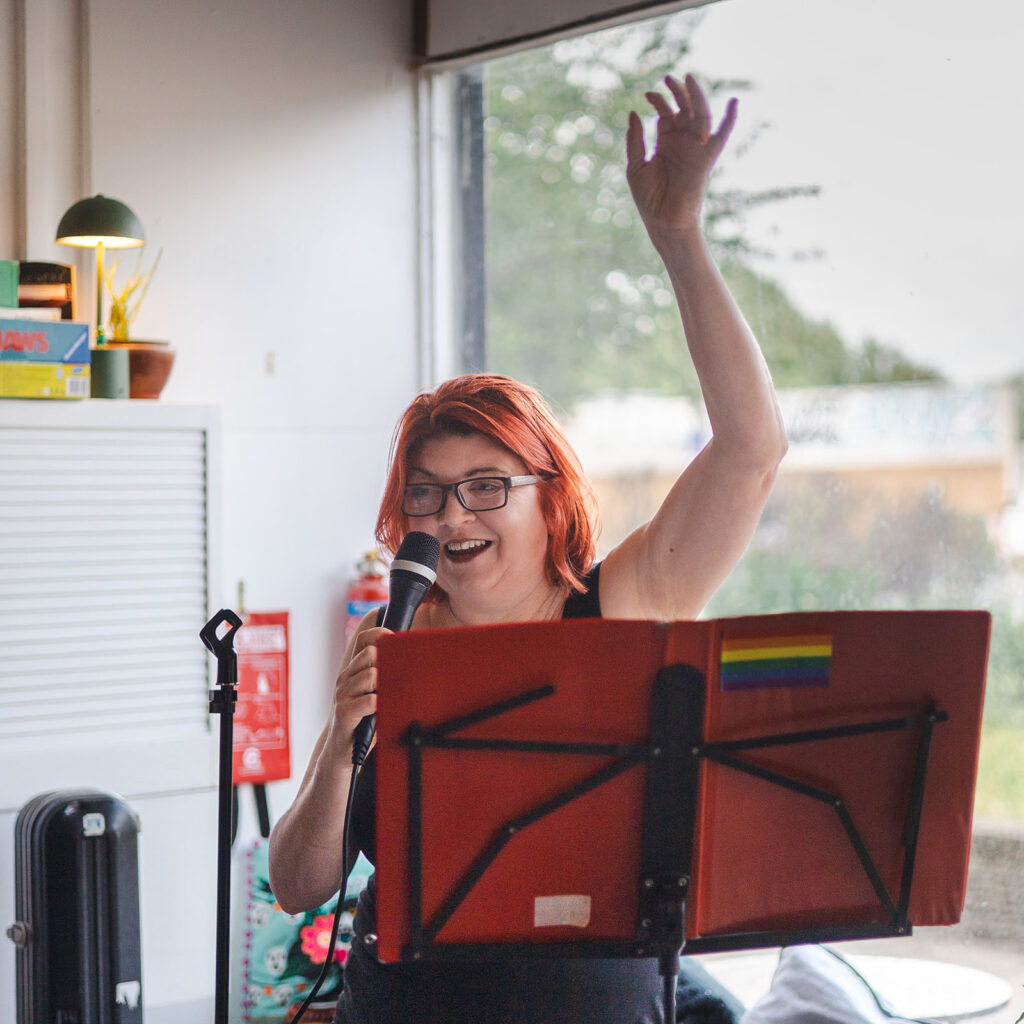
The humorous posts turned into short stories and poems; Melissa joined creative writing and poetry courses, she read more – even How To Improve Your Writing books – and attended spoken word and open mic events. All this paid off when she won short story competitions, and got paid for doing gigs. The culmination was winning the Big Fat Talent Show. Melissa remembers the feeling: ‘I never expected to win. On stage, it was both terrifying and exhilarating, but up there, in front of all those people, it felt like home. The audience were amazing and very supportive. I messed up my poems several times, but they just kept cheering me on! I knew then I wanted to entertain people as a career… Twenty years ago, I could never have done anything like that; now I try to challenge myself all the time.’
Melissa Vardy, with her two grown-up children, Luca and Eliana, and a cat called Frida Kahlo, faces life head-on. Her writing doesn’t pay enough to support her, but she still has a rewarding career in teaching children, and a co-written a psychological horror coming out. Plus, she will be talking about her life and writing to members of Copleston Community Centre on November 18th at 2pm. Book your free seat with an*@*****************rg.uk.