Plans to fix the Croydon rail bottleneck received a significant boost this week after the Prime Minster promised to get the scheme “back on track” after years of pandemic-induced delays.
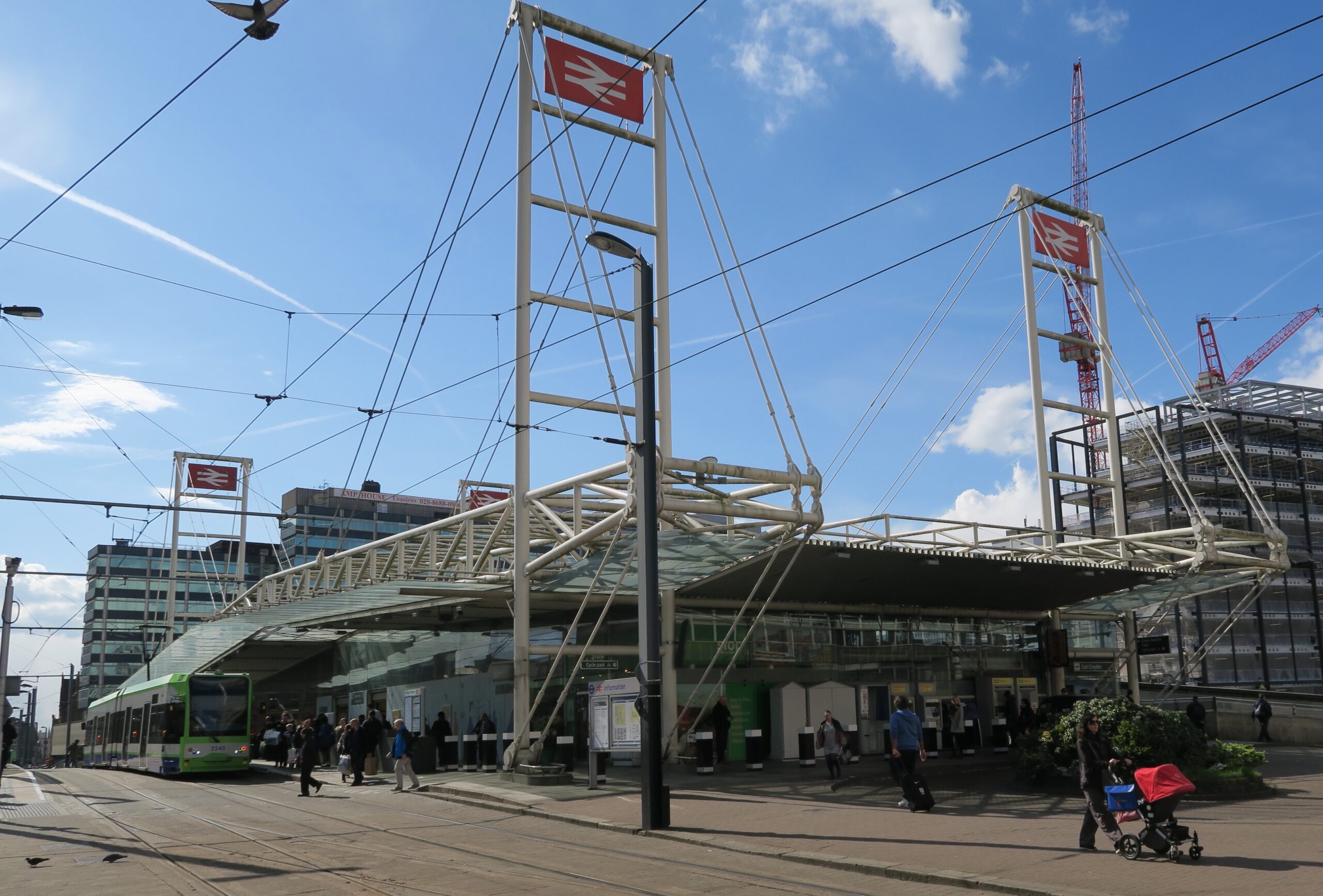
The Croydon Area Remodelling Scheme (CARS) hopes to tackle the long-standing bottleneck around East Croydon and Windmill Bridge Junction, which causes regular delays for rail passengers travelling from Brighton and Gatwick Airport.
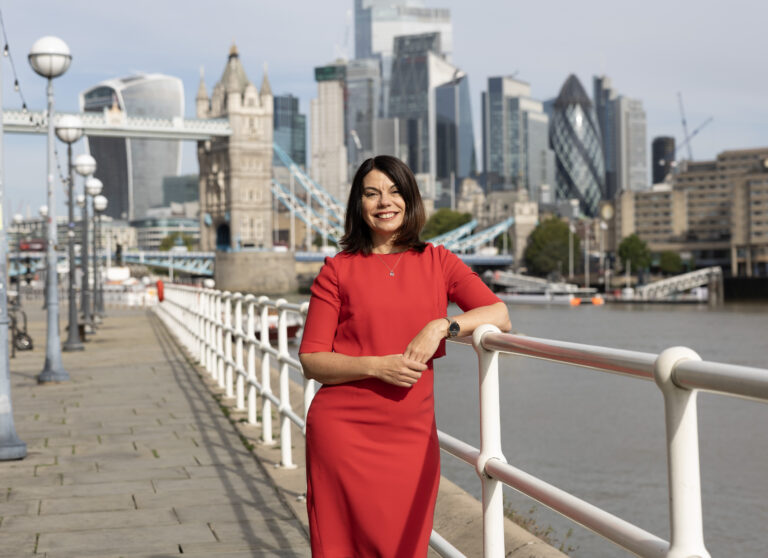
Croydon East MP Natasha Irons also warned that local youth could miss out on Gatwick Airport’s expansion benefits if the vital rail upgrades to East Croydon station do not materialise.
Ms Irons raised the CARS during Prime Minister’s Questions on Wednesday, September 2. She called on Andy Burnham to revisit the scheme, which was first proposed in 2020.
Transport Minister Simon Lightwood confirmed in March that CARS had been scrapped by the previous government in 2021 without informing stakeholders, and has not been funded in subsequent spending reviews.
The scheme was designed to increase capacity at East Croydon, improve accessibility at Norwood Junction and ease pressure on the Brighton Main Line, which is expected to reach full capacity by 2030.
Ms Irons previously claimed that fixing the bottleneck could free up approximately £5.1 billion in economic value over the next two decades.
“A wise man recently called for good growth in every postcode and hope in every heart, and in Croydon these cannot come soon enough,” she told the chamber, referencing Mr Burnham’s first prime ministerial address in July.
Labour’s Ms Irons added: “Gatwick expansion could provide Croydon’s young people with world-class employment and training close to their home, but cuts to investment in rail infrastructure around East Croydon station by the previous Conservative government means these opportunities could still be out of reach because Croydon’s young people physically cannot get to them.”
In response to her call to “look again” at CARS, Mr Burnham said he would ask Number 10 North to contact her so they could look at how to get the scheme “back on track”.
He also addressed youth employment, adding: “I am in no doubt over the importance of good transport connectivity to young people’s life chances.”
In August, Croydon’s Executive Mayor Jason Perry called on the government to commission a fresh assessment of the rail bottleneck, backed by updated passenger demand and economic modelling.
The original CARS upgrades would have expanded East Croydon station from six to eight platforms, remodelled tracks and junctions and removed conflicting train movements, while also supporting improvements at Norwood Junction.
It was expected to provide capacity for between four and six additional trains an hour and increase peak capacity by around 15%. However, the original proposal was estimated to cost approximately £2.9 billion, take more than a decade to complete and cause substantial disruption during construction.
Mayor Perry now believes this plan needs to be updated. “We are not asking ministers to approve the old scheme unchanged, but to update the evidence and identify the most affordable and deliverable way forward,” he said at the time.
Writing to Transport Secretary Heidi Alexander, he urged Network Rail to re-evaluate CARS alongside phased interventions, which he hopes will deliver earlier improvements.
He also requested protection for land already acquired or earmarked for the scheme, alongside the creation of a joint working group bringing together the council, the Department for Transport, and other key stakeholders. Looking ahead, Mayor Perry also called for a robust investment proposal to be ready for the 2027 spending review.
The Mayor has also pointed to planned investment elsewhere along the Thameslink and Brighton Main Line corridor, including Gatwick Airport’s £2.2 billion Northern Runway project, as a reason to revisit the infrastructure constraints around Croydon.
He said: “This is far bigger than a Croydon transport project. Removing this strategic constraint could unlock jobs, homes and private investment across the corridor, from the south coast through London and on to Bedford, Peterborough and Cambridge.”